
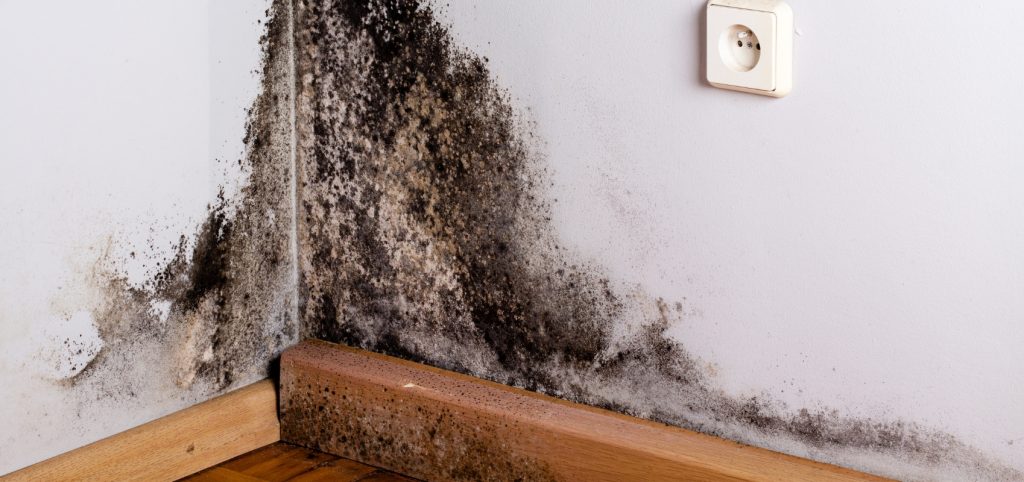
Mold Prevention in Homes: Everything You Need to Know
In this guide, you’ll discover the most common types of household mold, where they tend to hide, the warning signs many homeowners miss, and mold prevention steps to help stop mold growth before it starts.
Types of Household Mold
There are three categories of mold, but not every type of mold is limited to one:
- Allergenic mold causes allergic reactions, including:
- Asthma-causing molds:
- Alternaria
- Aspergillus
- Cladosporium
- Penicillium
- Infection-causing molds:
- Aureobasidium
- Chaetomium
- Fusarium
- Mucor
- Mold that causes general allergic reactions:
- Ulocladium
- Asthma-causing molds:
- Pathogenic molds affect those who are immunocompromised, including certain species of Trichoderma.
- Toxigenic mold produces toxic substances, including:
- Acremonium
- Aspergillus (depending on the species and environment)
- Fusarium
- Stachybotrys (black mold)
- Trichoderma.
These types of mold usually make an appearance when there is moisture to sustain them. You can get rid of them – or at least significantly decrease the chance of mold growth – by dealing with any leaks or persistent moisture you find.
Where Mold Hides
Now that you know what types of mold typically appear in a home, you need to know where mold might be hiding. This will help you check those areas and better understand how to prevent mold from growing in your home.
Common hiding places include:
- Bathrooms
- Kitchens
- Laundry rooms
- Windowsills
- HVAC systems
- Attics
- Basements
- Behind or inside your walls
- Under carpeting or padding
- Crawl spaces
- Garages
- Furniture
Hidden Warning Signs Homeowners Miss
Knowing where to look is all well and good, but it’s not going to do much if you don’t know what you’re looking for. Some environmental signs of mold include:
- Condensation and high humidity – both a cause and a result
- Unexplained health symptoms – especially if you’re someone who doesn’t typically get sick
- Persistent musty odors – A result of microbial volatile organic compounds (MVOCs). Musty smell is Not always the most reliable sign of mold:
- Some molds produce low or no MVOCs – especially in the early stages or if they’re dormant.A change in weather can mask the smell of mold temporarily.Good airflow dilutes the smell.
- Poor airflow keeps the smell trapped in a hidden space.
More physical signs of mold include:
- Peeling or bubbling paint
- Warped or soft flooring
- Visible discoloration and stains
- Small patches of visible mold – usually indicative of a larger problem behind the scenes.
How Mold Impacts Your Home and Indoor Air Quality
If you don’t take note of these signs and deal with them quickly, mold can harm your home and your health through:
- Structural damage – It eats away at different building materials, weakening them to the point of ineffectiveness and – in some cases – collapse.
- HVAC system contamination – This negatively impacts the quality of air as it increases the spread of mold spores.
Mold Prevention Steps
Mold prevention starts with controlling moisture before it has a chance to spread into walls, ceilings, insulation, or flooring. A few simple habits can go a long way in reducing the risk of mold growth throughout your home.
- Fix leaks quickly. Address roof leaks, plumbing issues, appliance leaks, and foundation moisture before they have time to create long-term dampness.
- Control indoor humidity. Keep humidity levels in check with proper ventilation, exhaust fans, and dehumidifiers when needed.
- Improve airflow in problem areas. Bathrooms, basements, laundry rooms, and crawlspaces are more likely to trap moisture and should have steady air movement.
- Dry wet materials as soon as possible. Carpets, drywall, insulation, and wood framing can all support mold growth if they stay damp too long.
- Watch for condensation. Windows, pipes, and HVAC components can collect moisture over time and should be checked regularly.
- Inspect hidden risk areas. Attics, under sinks, behind appliances, and around vents are common places where mold problems begin unnoticed.
- Schedule professional help when needed. If moisture issues keep returning or mold may already be hidden behind surfaces, an inspection can help stop the problem before it spreads further.
If you’re wondering how to prevent mold in your home or are worried that you might already have a mold problem, contact Dryco. We’ll send a team out to evaluate your home and advise you on the best course of action.