
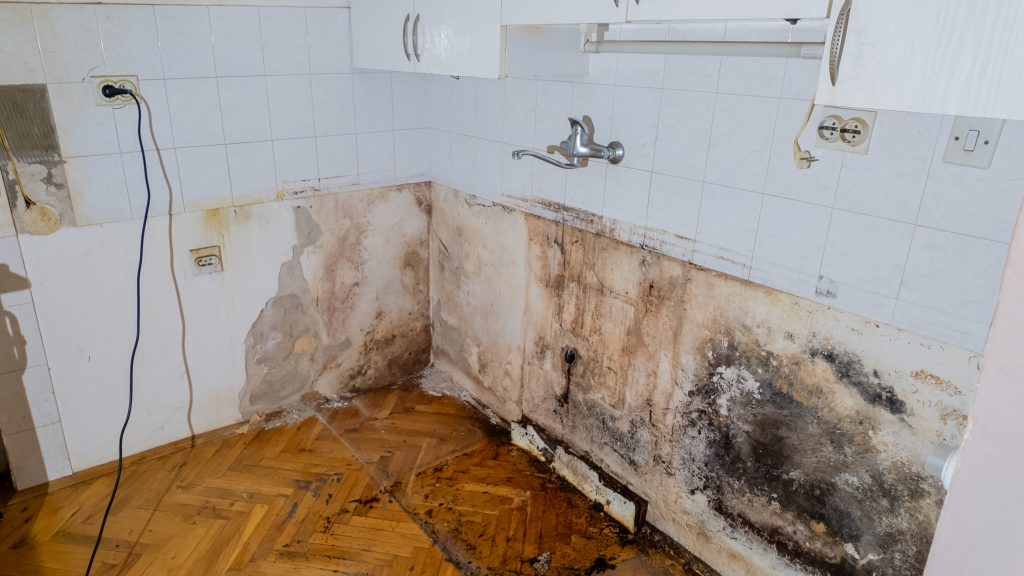
Where Does Mold Grow in Homes?
Have you ever asked yourself, “Where does mold grow?” The answer is a bit more specific than “in damp places,” though that is where it tends to show up the most – especially in areas you use every day. Some of these spots are easy to check, but others may require professional assistance.
Why Mold Hides So Easily in Homes
Mold is a naturally occurring fungus that spreads by releasing microscopic spores into the air. When those spores land on a damp surface with enough organic material to feed on, they can begin growing quickly. Those surfaces can include wood, drywall, dust, or fabric. That is why mold often shows up after leaks, condensation, poor ventilation, or humidity problems, and why it tends to return if the moisture source is not fully addressed.
Common/Visible Places Mold Grows
Bathrooms (#4 Place to Check)
The ideal breeding ground for mold. You’ll usually find it around:
- Showers and bathtubs
- Grout lines
- Under sinks
- Toilet bases
- Ceilings
Kitchens
You may find mold:
- Under the sink
- Behind appliances
- Inside cabinets
Laundry Rooms
You’ll usually find mold:
- Behind/under washing machines
- Around dryer vents – lint buildup and poor airflow are an ideal combination for mold growth.
- Near drains or pipes
Windowsills
Poorly sealed windows are a popular place for mold to grow – especially if your home is more humid. Condensation builds up on glass, and that moisture will collect on sills and seals. If left to its own devices, you may discover dark spots along a damp and/or peeling frame.
Places Where Mold May Hide
HVAC Systems
You can usually tell that mold has started growing in your system when:
- Your allergies trigger indoors more often
- There is a musty smell whenever it runs
Attics (#2 Place to Check)
Mold tends to develop because of:
- Roof leaks
- Poor ventilation
- Trapped heat and humidity
Basements (#3 Place to Check)
You’ll often find mold:
- Along foundation walls
- Behind stored items
- In corners with little airflow
Behind Walls (Will Require Professional Help to Check)
It’s very easy for mold to spread due to the porous nature of drywall, and your only indication of a problem may be:
- Bubbling paint
- Discoloration
- Warped or soft patches
Under Carpeting or Padding
If you’re still asking yourself, “Where does mold grow?”, carpeting is a common spot for it to hide.
Keep an eye and nose out for:
- Persistent odors
- Damp or uneven flooring
- Allergies that worsen indoors
Crawl Spaces (#1 Place to Check)
You’ll find mold:
- Along wooden beams
- On insulation
- Near the ground surface
Garages
You may find mold:
- On stored items – especially cardboard or fabric
- Along walls or ceilings with poor insulation
- In corners where water collects
Quick Mold Location Overview
| Area | What to Check First | Why Mold Shows Up There |
| Bathrooms | Showers, grout, under sinks, toilet bases | Constant moisture and limited airflow |
| Kitchens | Under sinks, behind appliances, inside cabinets | Leaks, humidity, and trapped moisture |
| Laundry Rooms | Behind washers, dryer vents, near drains | Moisture, lint buildup, and poor ventilation |
| Windowsills | Sills, seals, and frames | Condensation and poor sealing |
| HVAC Systems | Vents, smells when running, indoor allergy flare-ups | Moisture inside the system and airflow spread |
| Attics | Roof decking, insulation, poorly vented corners | Roof leaks, trapped heat, and humidity |
| Basements | Foundation walls, corners, behind stored items | Dampness, poor drainage, and low airflow |
| Behind Walls | Bubbling paint, stains, warped drywall | Hidden leaks and moisture in porous materials |
| Under Carpeting | Damp spots, odors, uneven flooring | Trapped moisture in padding and subfloor |
| Crawl Spaces | Beams, insulation, ground-facing surfaces | Ground moisture and restricted ventilation |
| Garages | Stored cardboard, fabric items, damp corners | Water intrusion and temperature swings |
Now that you know what to keep an eye out for, if you spot anything concerning, just contact the Dryco team. We’ll send someone out to evaluate your space and advise you on the next steps for dealing with the mold.