
Why You Can Have Mold Without a Musty Smell
Not all mold behaves the same way. Some growth is visible and easy to identify, while other mold remains hidden behind materials and goes undetected for long periods. Understanding the difference can help prioritize where to inspect and when to call a professional.
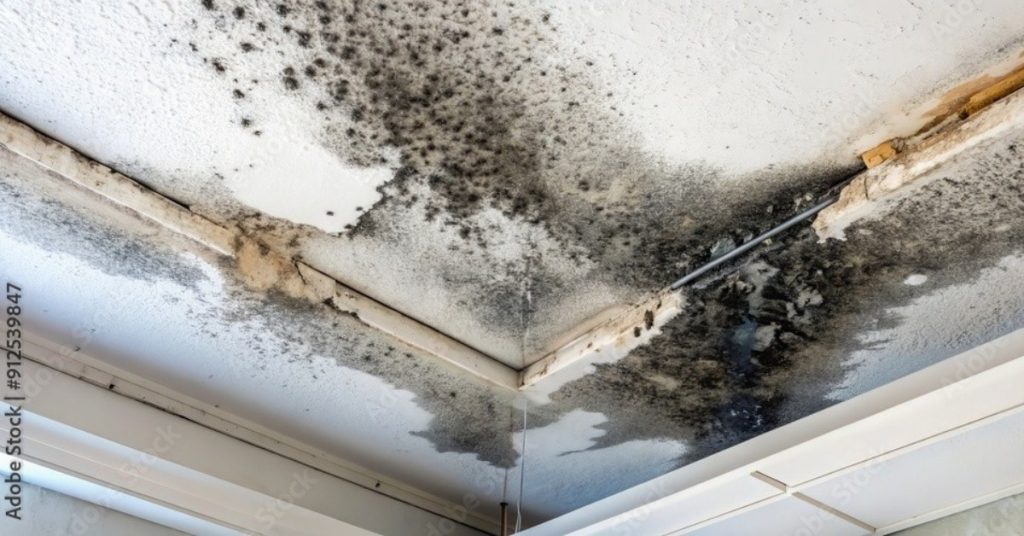
- Surface mold – Visible on walls, ceilings, grout, or fixtures; easiest to detect due to discoloration or texture changes
- Hidden mold – Found behind drywall, under flooring, inside insulation, or within HVAC systems; can be odorless and harder to locate
- Structural mold – Develops within building materials like wood framing or subfloors and can impact structural integrity over time
While many people discover the presence of mold through their sense of smell, noticeable odors are not always present.
Here are some reasons why you may not be aware of the mold smell in your house:
Low MVOC Count
MVOCs – or Microbial Volatile Organic Compounds – are the gases that give mold its musty smell. There are a few reasons a mold’s MVOC count may be low:
- The mold is in an early stage of growth – There is a smaller concentration of mold when it first starts growing, meaning fewer MVOCs are being released.
- Specific species of mold produce few MVOCs
- The mold is dry/dormant – Dormant mold can exist silently in the background for years without producing a smell.
Seasonal and Environmental Factors Can Mask Odors (and Signs)
The weather can have a massive impact on mold and may even hide its smell temporarily.
- Cold weather factors:
- Colder temperatures (41°F and below) slow the release of MVOCs by:
- Slowing the metabolic activity of microbes
- Slowing or even halting the growth of mold.
- Drier air – reduces the intensity of the smell of mold.
- Condensation:
- Can lead to mold growth – increased humidity/surface moisture.
- Ignored in colder months because it’s often seen as a normal result of the difference between the cold outside air and the warm inside air, and it can also be found in areas that are not often accessible, such as attics and basements.
- Colder temperatures (41°F and below) slow the release of MVOCs by:
- Warm weather factors:
- High humidity – Makes the mold smell in your house seem constant rather than limited to a specific area. You won’t know about an acute mold problem until the weather starts to cool down.
- Outdoor damp odors (rain, rotting leaves, etc.) may overwhelm the smell of indoor mildew.
Airflow (Poor & Good)
While ventilation is typically the thing used to prevent mold growth, in some cases, it can prevent its detection:
- Poor airflow:
- Results in hidden mold growth
- Can keep a mold smell trapped in a space for a long time
- The problem only becomes apparent when cosmetic issues (bubbling paint, warping floors, stains) start appearing.
- The area will need to be opened before the odor makes itself known.
- Good airflow – Disperses or dilutes the mold smell in your house, making it harder to detect.
When to Test for Mold Without Smell
Even without a musty odor, there are situations where mold testing is strongly recommended. These conditions often indicate hidden growth or early-stage contamination.
- After water damage or leaks, even if everything appears dry
- If you notice unexplained allergy symptoms indoors
- When there are visible signs of moisture (stains, warping, condensation)
- In homes with high humidity levels or poor ventilation
- When buying or selling a property and needing verification
Mold Detection Indicators (Quick Reference Table)
| Indicator Type | What to Look For | Likely Cause | Action Needed |
| Visual | Stains, discoloration, bubbling paint | Moisture behind surfaces | Inspect and test |
| Physical | Warped floors, soft drywall | Prolonged water exposure | Open and assess |
| Environmental | High humidity, condensation | Poor airflow or insulation | Improve ventilation |
| Health | Sneezing, headaches, irritation indoors | Airborne spores | Air quality test |
| Structural | Rotting wood, weakened materials | Long-term hidden mold | Professional remediation |
If you’re worried about a mold issue, contact Dryco, and we will send a team of certified mold specialists to expertly diagnose the source of the issue and work towards making your property a mold-free environment.