Water Damage Restoration: The Complete Homeowner’s Guide
Dealing with unexpected water damage is one of the most stressful things a homeowner can face.
To help ease that stress, the team at Dryco Restoration Services has put together this water damage restoration guide to explain what it is, how it works, and when and why you should ask for help.
What Is Water Damage Restoration?
Water damage is the result of water getting where it’s not supposed to. This can result from natural disasters, human error, wear and tear, or a combination of factors.
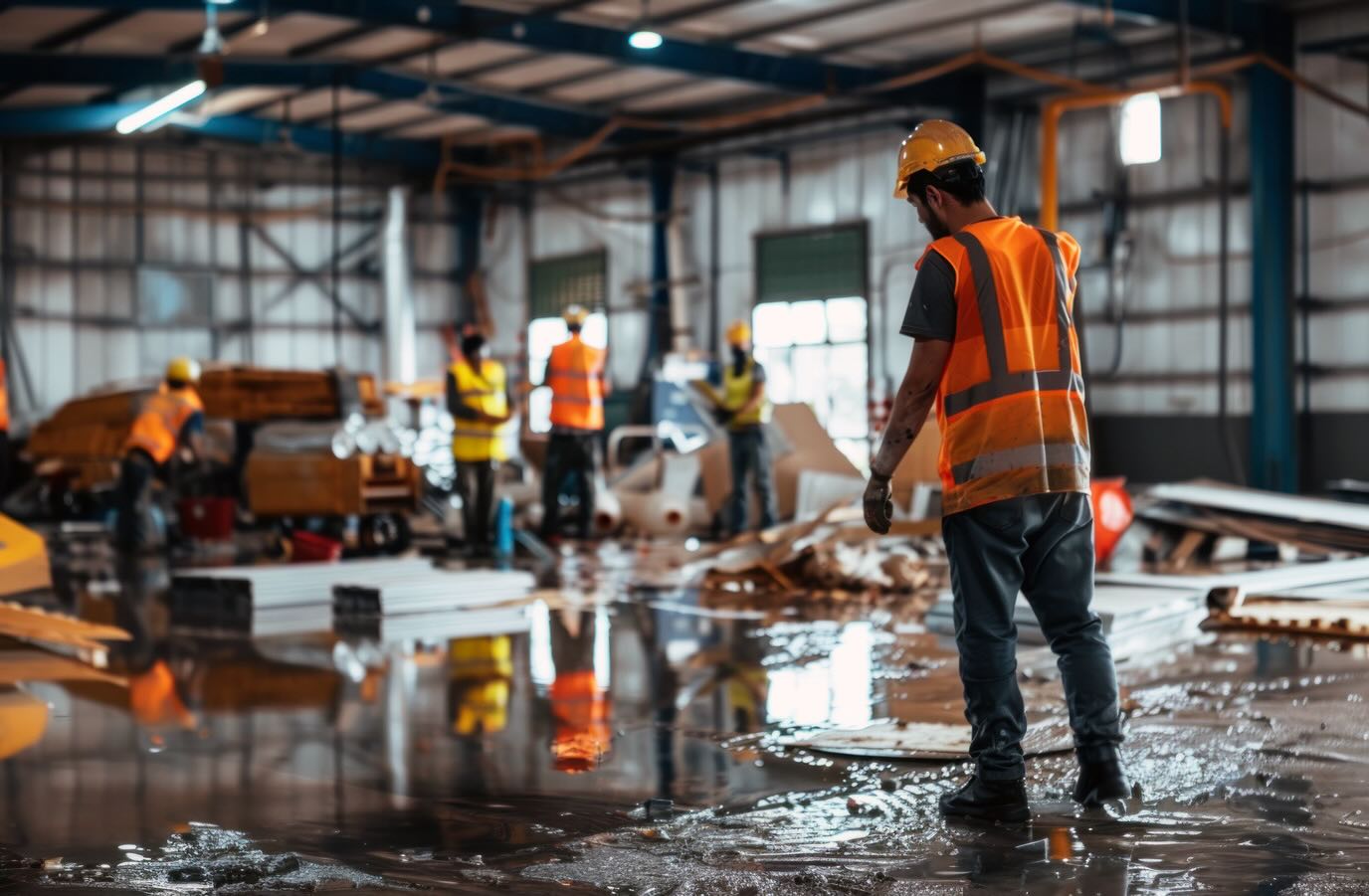
Water damage restoration is the process of removing the water, drying and cleaning the affected areas, and repairing structural damage to prevent any future issues. It involves:
- An inspection by a specialist to determine the scope of a job,
- Extracting any standing water or sewage,
- Using specialized drying equipment to save walls, floors, and any damaged building materials where possible,
- Cleaning and disinfecting any area impacted by the water, which involves:
- The removal of any present mold growth through antimicrobial treatment and moisture control,
- The selective demolition of anything that can’t be saved,
- Replacing drywall, flooring, subflooring, and other affected building materials, and
- Repairing the structure of your home to prevent future decay.
What It Takes to Restore Water Damage Properly
Each step in the water damage restoration process requires specialized tools to get the job done:
- Moisture meters/hygrometers and thermal imaging help inspectors build a “moisture map” to determine the scope and severity of a job.
- The machinery used for water extraction will depend on the size of the job:
- Smaller restoration jobs involve a combination of industrial-grade wet/dry vacuums and portable extraction units. They may also be used in concentrated areas on larger jobs.
- Larger restoration jobs involve submersible pumps and truck-mounted extraction units because they’re great for removing large pools of water.
- Air movers, dehumidifiers, and heat drying systems are used to combat any residual moisture in your home.
- Finally, air filters help remove harmful particulates while antimicrobial agents help prevent mold growth.
Why Professional Restoration Is Crucial for Water Damage
No matter the scope of the project, contacting professionals – like the Dryco team – will make the process easier. Besides knowing what to look for when dealing with water damage, we:
- Have access to professional equipment, allowing our team to restore your home quickly and efficiently.
- Can save you money in the long run by addressing issues correctly the first time.
- Maintain your home’s property value.
- Guide you through the insurance process by communicating directly with your insurance adjuster to ensure your needs are met.
However, the most important reason for contacting professionals is the risks that come with water damage restoration. The Dryco team is trained to deal with all kinds of damage, so rather than put yourself in danger, let us deal with the risks in ways we know are safe.
Top Signs You Need Water Damage Restoration
- Peeling or Bubbling Paint/Wallpaper
- An unusually high water bill
- Excessive condensation
- Musty odors
- Moist, sagging, or crumbling walls
- Mold growth
- The sound of running or dripping water
- Persistent damp or wet spots
- Soft, spongy, warped, or buckling floors
- Rust on metal fixtures
- Water stains on your ceiling
No matter the extent of the water damage you’re facing, the Dryco team is ready to help. Just give us a call.