
Types of Household Mold: What They Mean (And When They’re Dangerous)
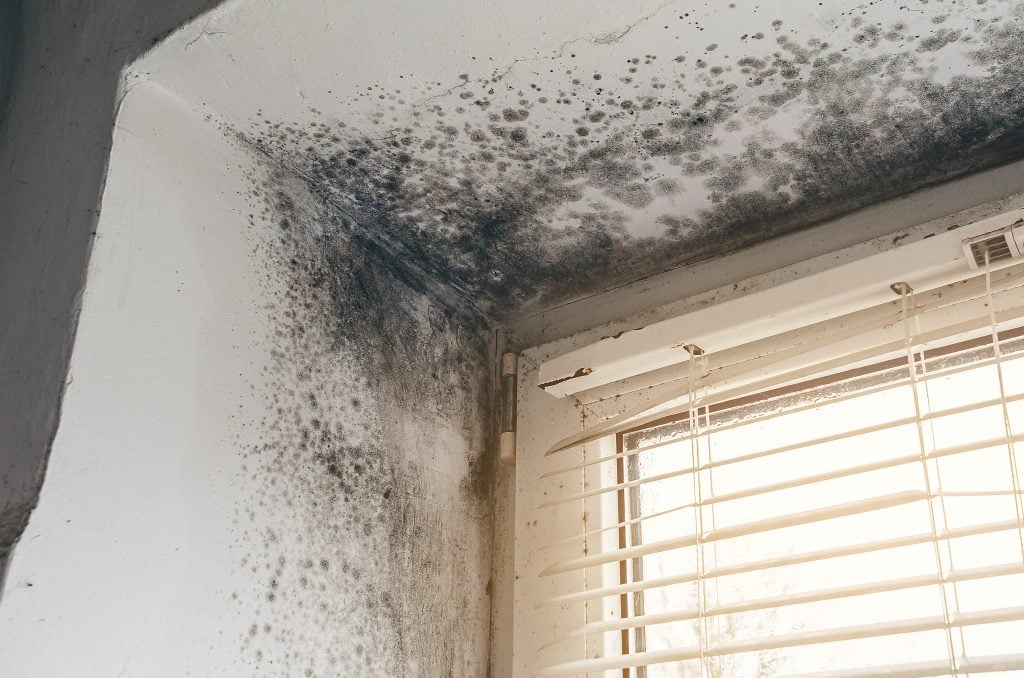
Dealing with mold can feel scary – especially when you don’t understand what you’re looking at and all you’ve really heard are horror stories. The reality is that while some types of mold in a house are incredibly dangerous, others are relatively harmless if you’ve got a strong enough immune system.
There are three categories of mold:
- Allergenic – Molds that cause allergic reactions
- Pathogenic – Molds that affect those who are immunocompromised
- Toxigenic – Molds that produce toxic substances
We’ve compiled a list of different types of molds you may find in your house, what they mean, and which ones you need to take seriously.
Types of Mold in House:
Acremonium
- Mold Category – Toxigenic
- Appearance/Texture – Starts small and moist but evolves into a fine powdery substance.
- Color – Pink, grey, orange, or white
- Where it Grows – Household systems and areas with high levels of condensation such as:
- Humidifiers
- Cooling coils
- Drain pans
- Window sealants.
- Result of Exposure – Disease in the bone marrow, immune system, and other organs.
- Reason for Growth – Moisture issues and hidden water damage
Acremonium is a carcinogen that can impair your brain function and is known to grow alongside molds like Stachybotrys (black mold). It’s one of the more dangerous types of molds you can find in your house and needs to be dealt with by professionals.
Alternaria
- Mold Category – Allergenic
- Appearance/Texture – Velvety
- Color – Dark green or brown
- Where it Grows – Wherever dampness occurs:
- ShowersBathtubs
- Under leaking sinks
- Results of Exposure – Asthma-like symptoms in the upper respiratory tract, nose, and mouth.
- Reason for Growth – Moisture issues and hidden water damage
Aspergillus
- Mold Category – Allergenic. It can become more toxic depending on the species and environment.
- Appearance/Texture – Long flask-shaped spores
- Color – Many (185 species)
- Where it Grows – Building materials and HVAC systems
- Results of Exposure:
- Asthma attacks
- Lung infections
- Respiratory inflammation.
- Reasons for Growth:
- Excessive moisture
- Poor ventilation
- Water damage
Certain species of Aspergillus are capable of producing aflatoxins (known, deadly carcinogens).
Aureobasidium
- Mold Category – Allergenic
- Appearance/Texture – Smooth or slimy
- Color – Starts pink, brown, or black, then ages and turns a darker brown.
- Where it Grows – Behind wallpaper or on painted or wooden surfaces
- Results of Exposure – Eye, skin (dermatitis), and nail infections
- Reasons for Growth – Persistent moisture problems
Never touch Aureobasidium with your bare skin.
Chaetomium
- Mold Category – Allergenic, but some species produce mycotoxins.
- Appearance/Texture – Cotton-like
- Color – Changes from white to grey to brown and eventually black.
- Where it Grows – Water-damaged homes, usually:
- Damp or leaking roofs
- Basement foundations
- Results of Exposure – Skin and nail infections
- Reasons for Growth – Serious, long-term water damage
Cladosporium
- Mold Category – Allergenic
- Appearance/Texture – Suede-like
- Color – Olive green or brown
- Where it Grows – Warm and cold conditions:
- Fabrics
- Upholstery
- Carpets
- Under floorboards
- Inside cupboards.
- Results of Exposure:
- Skin rashes and lesions
- Asthma
- Lung infections
- Sinusitis.
- Reasons for Growth – Active source of moisture somewhere in the home
Cladosporium should not be handled directly due to its potential for causing skin and lung irritation.
Fusarium
- Mold Category – Allergenic and toxigenic
- Appearance/Texture – Woolly or cotton-like
- Color – Pink, white, or reddish
- Where it Grows – Carpeting, wallpaper, fabrics, and materials
- Results of Exposure:
- Skin infections
- Severe and life-threatening conditions:
- Bone infections
- Brain abscesses
- Allergic reactions:
- Sore throats
- Runny noses
- Sneezing
- Itchy eyes
- Dermatitis
- Hemorrhages and internal bleeding as a result of toxins that damage the nervous system.
- Reasons for Growth – Water damage or high humidity levels.
Fusarium spreads from room to room quickly, so if you see it in one room, make sure you examine the rest of your home thoroughly.
Mucor
- Mold Category – Allergenic
- Appearance/Texture – Fluffy
- Color – White or greyish
- Where it Grows – HVAC systems, ducting, and old, damp carpets
- Results of Exposure:
- Mucor can cause a myriad of health problems that affect the respiratory system, including difficulty breathing and flu-like symptoms such as fever and malaise.
- Mucormycosis – a fungal infection that damages the sinuses, lungs, brain, eyes, and nose and can eventually become systemic in the blood, digestive system, or renal system.
- Reasons for Growth – Moisture because of leaks, high humidity, or water damage
It is vitally important that you contact professionals when you encounter Mucor. NEVER handle the spores without mold remediation equipment and safety gear.
Penicillium
- Mold Category – Allergenic
- Appearance/Texture – Velvety
- Color – Blue or green
- Where it Grows – Water-damaged carpets, wallpapers, ducting, and mattresses
- Results of Exposure:
- Respiratory conditionsSpores can easily become airborne and be inhaled by occupants, leading to:
- Pulmonary inflammationAsthmaChronic sinusitis
- Symptoms of immune disorders can worsen, which leads to further health complications.
- Respiratory conditionsSpores can easily become airborne and be inhaled by occupants, leading to:
- Reasons for Growth – Moisture
Stachybotrys (Black Mold)
- Mold Category – Toxigenic, with the ability to cause allergic reactions
- Appearance/Texture – Slimy
- Color – Dark greenish or black
- Where it Grows – Damp, wet, humid areas. Wood, cardboard, paper, hay, or wicker.
- Results of Exposure:
- Breathing problems
- Burning sensations in your airways
- Tightening in the chest
- Persistent cough
- Nosebleeds
- Fever
- Painful headaches
- Sinusitis
- Dull aches and pains in the mucous membranes of the sinuses
- Fatigue
- Depression
- Neurological problems in children
- Pulmonary bleeding in children
- Reasons for Growth – Serious, long-term water damage
Stachybotrys is sometimes called “toxic mold.” It’s infamous for causing severe health problems in those who have been exposed to its mycotoxins.
If you see this type of mold growing in your home, contact a professional team IMMEDIATELY.
Trichoderma
- Mold Category – Allergenic, pathogenic, and toxigenic (depends on the species)
- Appearance/Texture – Woolly-textured clusters that become compact
- Color – White with green patches
- Where it Grows – Within wallpaper, carpets, fabrics, air-conditioning filters, and HVAC system ducts
- Results of Exposure:
- Pathogenic species may cause pulmonary and hepatic (liver) infections.
- Toxigenic species produce mycotoxins that act similarly to Stachybotrys.
- Structural damage or collapse due to enzymes that break down textiles, wood, and paper products.
- Reasons for Growth – Persistent water problems as a result of active water damage.
Trichoderma must be dealt with professionally.
Ulocladium
- Mold Category – Allergenic
- Appearance/Texture – Suede-like
- Color – Black
- Where it Grows – Kitchens, bathrooms, basements, and windows with high condensation levels
- Results of Exposure:
- People with predispositions for allergies or immune disorders may experience severe reactions like hay fever.
- You may also develop:
- Skin infections
- Breathing problems
- Asthma-like symptoms
- Reasons for Growth – Serious, long-term water damage and wet cellulose materials
Ulocladium is easy to confuse with other types of mold, so it’s good practice to call a professional.
Mold in your home isn’t always a reason to panic—but it’s never something to ignore. If you have an unknown type of mold growing in your house and you’re concerned, reach out to the Dryco team.