Risk Factors for Water Damage in Homes
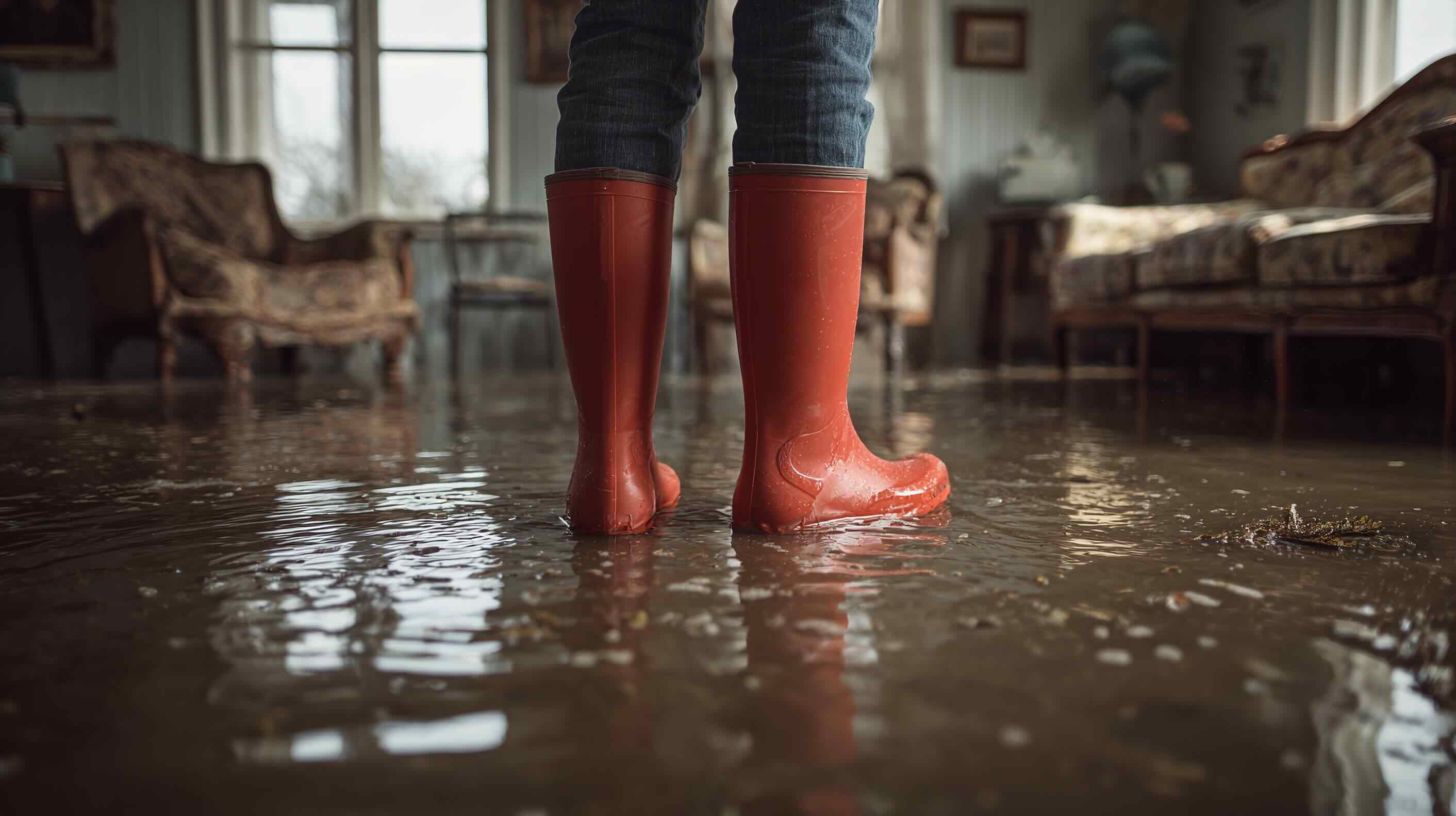
Water is remarkably good at transforming from a minor leak into an issue that affects multiple areas of your home. The longer it’s left unchecked, the greater the risks of water damage and expensive repairs.
Key Risks of Water Damage in Homes
1. Structural and Cosmetic Damage
A small leak can lead to devastating structural consequences, such as:
- Deteriorating roof decking, which can lead to even more water damage.
- Damaged ceilings that can sag as they absorb more moisture and – in some cases – collapse.
- Wood framing losing its strength and rotting.
- The foundation shifting and cracking because the concrete has weakened.
- Metal fasteners and structural components rusting, weakening their load-bearing capacity.
It can also lead to:
- Permanent water stains
- Erosion of drywall
- Bubbled paint
- Peeling/stained wallpaper
- Warped or separated wood flooring
Not only do these issues impact the structural integrity and look of your home, but they can also affect its value. Potential buyers may lose interest in a home after they’ve been made aware of any long-term water damage effects – especially if they haven’t been dealt with.
2. Mold and Mildew Growth
With the right combination of moisture, temperature and organic material, signs of mold growth can appear after only 24 hours. This can lead to even more issues, including:
- Damage to personal belongings
- Health problems – respiratory issues and allergic reactions.
3. Electrical Hazards
If water encounters any electrical components, it can lead to electrocution and even fire. If you’re worried about either – especially if you’ve recently dealt with a flood or have a leak close to one of your appliances – contact a trained electrician to ensure no one gets injured while shutting off your home’s power or making repairs.
4. Pest Infestations
Certain pests are attracted to standing water:
- Mosquitoes, cockroaches, and other insects – Use the damp environment as a breeding ground.
- Termites – The wooden structure of your home is the perfect food source, especially when softened by water.
5. Health Risks Beyond Mold
While there are plenty of health issues that come with mold, the water itself can be just as dangerous, especially depending on its category:
- Category 1 – Clean Water:
- Usually the result of:
- Broken water supply lines
- Melting snow
- Rain
- A leaking faucet
- Poses minimal health risks
- It’s clear and has no odor.
- Can turn into Category 2 or 3 within 24–48 hours if it’s left to sit.
- Usually the result of:
- Category 2 – Grey Water:
- Usually the result of:
- A dishwasher or washing machine overflowing
- A toilet overflowing
- Sump pump failures
- Seepage due to hydrostatic pressure
- Can cause sickness or discomfort through skin contact or ingestion
- May contain soaps, detergents, and some organic waste.
- Can turn into Category 3 within 48 hours
- Usually the result of:
- Category 3 – Black Water:
- Usually the result of:
- Sewage backups
- Rising river water
- Ground surface water
- It’s hazardous and may contain:
- Pathogens
- Bacteria
- Pesticides
- Heavy metals
- Animal waste
- Industrial waste
- Requires professional intervention and causes building materials to become unsalvageable upon contact.
- Usually the result of:
Inhaling air contaminated by Category 3 water can cause symptoms like:
- A stuffy nose
- A chronic cough
- Asthma
- Wheezing
In a person who already experiences respiratory issues, these symptoms can be much worse.
6. Increased Repair Costs Over Time
The longer you ignore water damage, the more damage there will be to repair, and the more expensive it will be. Restoring water damage is already pretty costly, but combine that with the massive spike on your water bill if a leak persists – and other issues water damage can cause – and you’re looking at a hefty bill.
If you’re concerned about potential signs of water damage in your home, call Dryco for an inspection and guidance on the next steps to take.