How to Choose a Biohazard Cleanup Company
Choosing the right biohazard cleanup company can have a major impact on home and business owners. Beyond technical competence, you are trusting this company with a situation that is often deeply personal, and the difference between a qualified provider and an unqualified one can mean the difference between a safely restored space and a contaminated property.
Certifications and Credentials to Look For
| Credential | What It Confirms |
| IICRC TCST (Trauma and Crime Scene Technician) | Training in trauma and crime scene cleanup procedures, safety, and handling of potentially infectious materials |
| OSHA Bloodborne Pathogens Standard compliance | Proper PPE, exposure control plans, and staff training on bloodborne pathogen risk |
| Infectious waste transporter registration | Authorization to transport regulated infectious waste when the company handles transportation itself |
| General liability and workers’ compensation insurance | Financial protection for the homeowner if something goes wrong during the job |
Questions to Ask Before Hiring
- Do your technicians hold relevant IICRC certifications, such as the TCST certification?
- How do you handle disposal of contaminated materials, and if you transport regulated infectious waste yourself, are you properly registered to do so in Minnesota?
- Do you offer 24/7 emergency response?
- Do you work directly with insurance carriers, and can you provide documentation to support a claim?
- How do you handle discretion and confidentiality, particularly for situations involving a death?
Red Flags to Watch For
- A company that cannot clearly explain its disposal process or refuses to answer questions about certification.
- Pressure to sign a contract immediately without a clear written scope of work.
- No verifiable insurance, certifications, or required registrations available.
- Vague pricing with no willingness to provide a written estimate.
- No experience working with insurance adjusters on similar claims.
Local vs. National Companies
When searching for a biohazard cleanup company Minnesota homeowners can trust, consider more than just proximity. Both local and national biohazard cleanup companies can be qualified, but there are practical advantages to working with a local, established provider. Local companies may offer practical advantages in emergency situations, including familiarity with the area, quicker response time, and established relationships with local insurance professionals.
What to Expect From a Qualified Provider
- A prompt, compassionate response, especially in situations involving a death.
- A clear, written scope of work explaining what will be cleaned, removed, or restored.
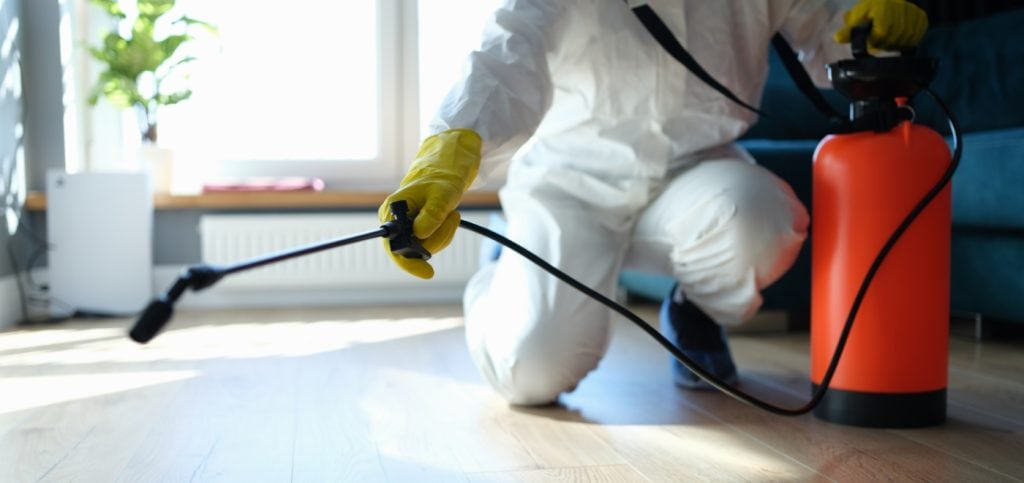
- Appropriate PPE and containment procedures used throughout the cleanup.
- Thorough documentation, including photos and other records that may help support an insurance claim.
If you’re looking for a biohazard cleanup company in MN, Dryco provides 24/7 biohazard cleanup services in Duluth and the surrounding region with direct insurance coordination. Learn more about our biohazard cleanup services, why homeowners choose Dryco, or contact us 24/7.
Frequently Asked Questions
Q: How quickly should a biohazard cleanup company respond?
A qualified provider should offer 24/7 emergency response and be able to begin an initial assessment within hours, not days. Biohazard situations create ongoing health risks and material damage the longer they go unaddressed.
Q: Should I get multiple quotes before choosing a company?
For non-emergency situations, comparing two or three qualified companies is reasonable. For urgent situations, prioritize confirming certification and the company’s ability to work with your insurer over comparing price, since delays increase property damage and cleanup costs.
Q: Does the cleanup company need to coordinate with law enforcement?
For crime scenes and other situations where authorities have restricted access, yes. A qualified biohazard cleanup company should not begin work until the scene has been released by the appropriate law enforcement or regulatory authority. The company can then coordinate any necessary documentation with those authorities.
Resources
Dryco:
External:
IICRC — Institute of Inspection, Cleaning and Restoration CertificationOSHA: Bloodborne Pathogens Standard