What Duluth Homeowners Need to Know About Biohazard Cleanup Insurance Coverage
Understanding biohazard cleanup insurance coverage can help homeowners know what expenses their policy may cover after a traumatic or unexpected event.
Please be advised that this blog covers sensitive topics, including suicide.
How Biohazard Cleanup Insurance Coverage Typically Works
Standard homeowners insurance policies generally cover sudden and accidental property damage caused by covered perils, rather than damage resulting from gradual deterioration or expected maintenance issues. Biohazard situations arising from a covered peril, such as certain accidental injuries or violent crimes, may be covered, but coverage for unattended deaths and other circumstances depends heavily on the policy’s language, exclusions, and the cause of contamination.
| Situation | Typically Covered? | Notes |
| Unattended death (natural causes) | Typically | Coverage depends on the policy and applicable exclusions/limits |
| Homicide or violent crime | Typically | Coverage often applies, but may be denied or limited due to intentional and/or criminal acts committed by the policy holder |
| Suicide | Varies | Coverage depends on the policy and applicable exclusions/limits. Claims may be denied or limited due to intentional and/or criminal acts committed by the policy holder |
| Accidental injury with significant blood loss | Typically | Coverage often applies |
| Sewage backup | Usually requires an endorsement | Coverage depends on whether the policy includes sewer or drain backup coverage |
| Hoarding-related contamination | Rarely | Coverage may apply to some cases, but is often not defined as sudden or accidental |
What Coverage Typically Includes
Understanding what biohazard cleanup insurance coverage may include can help homeowners identify which expenses to discuss with their insurer.
- Removal and proper disposal of biohazardous materials
- Decontamination and disinfection of affected areas
- Replacement of contaminated flooring, drywall, or other materials that cannot be adequately disinfected
Coverage limits and sublimits vary significantly by carrier and policy. Cleanup costs may be subject to the policy’s dwelling limit, a specific endorsement limit, or another applicable sublimit.
The Claims Process for Biohazard Situations
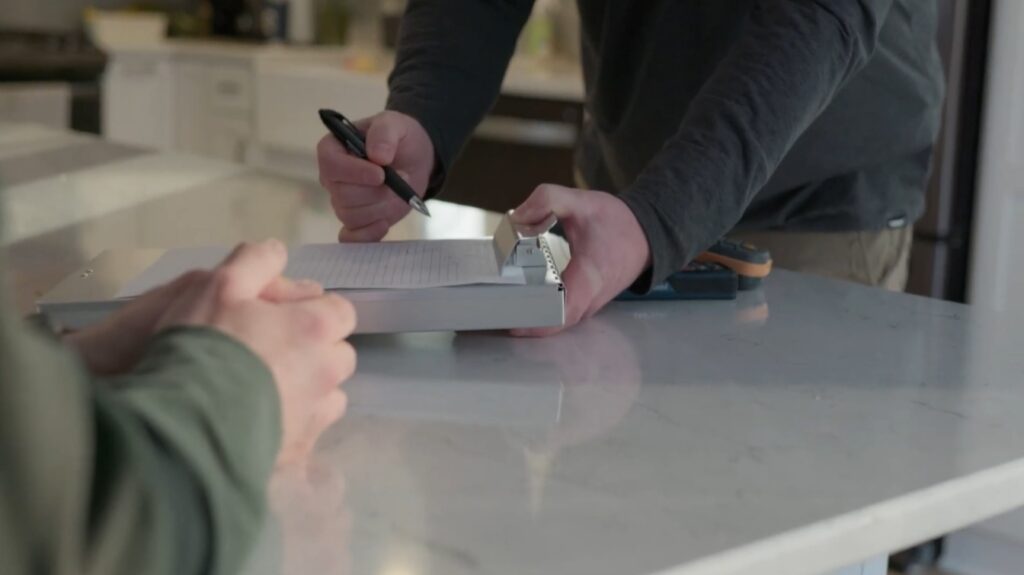
When pursuing biohazard cleanup insurance coverage, documenting the loss and communicating with your insurer early can help clarify what services and expenses may be covered.
- Notify your insurance company as soon as reasonably possible to open a claim and ask specifically about biohazard or trauma scene cleanup coverage under your policy.
- Avoid entering or disturbing the affected area until law enforcement or other appropriate authorities have released the property, if applicable.
- Contact a professional biohazard cleanup company that is certified and has experience working directly with insurance carriers.
- Request a detailed scope of work and documentation from the cleanup company to support your claim.
Dryco works directly with insurance carriers and adjusters on biohazard claims throughout the Duluth region. See our agent and adjuster information page and our resource on navigating property claims.
What to Do If Coverage Is Denied or Limited
If your policy does not cover the specific cause of contamination, or if the sublimit does not cover the full cost, a few options exist. Some cleanup companies offer payment plans. In some states, victim compensation or assistance programs may help eligible victims cover certain crime-related expenses, including cleanup costs. Discussing cost expectations upfront with your cleanup company helps avoid surprises during an already difficult time.
Frequently Asked Questions
Q: Does it matter whether the death was a homicide, suicide, or natural causes for insurance purposes?
It can. While some homeowners insurance policies may cover cleanup regardless of the cause of death, coverage depends on the policy language, exclusions, and circumstances of the loss. The key question is whether the resulting contamination and cleanup fall within a covered loss, and to what extent the costs will be reimbursed.
Q: Will my rates increase after filing a biohazard cleanup claim?
Whether a claim affects your rates depends on your insurer, state, claims history, and the circumstances of the loss. Ask your insurance agent how a biohazard claim could affect your policy before filing when circumstances allow.
Q: Can a landlord’s insurance cover biohazard cleanup in a rental property?
In many cases, yes, landlord insurance or a commercial property policy will cover the costs of biohazard cleanup. Coverage details vary, and landlords should contact their insurance carrier directly to confirm what is included for biohazard situations occurring in a rental unit.
Resources
Dryco:
Agent and Adjuster Information
External: