Resources

What It Takes to Restore Water Damage Properly: Tools of the Trade
The water damage restoration process is long and involved, and it’s something you want done properly the first time. Restoration specialists rely on powerful, specialized tools to return your space to its pre-damage condition. If your home, or a portion of it, is being restored, here are some tools you may see in use during…
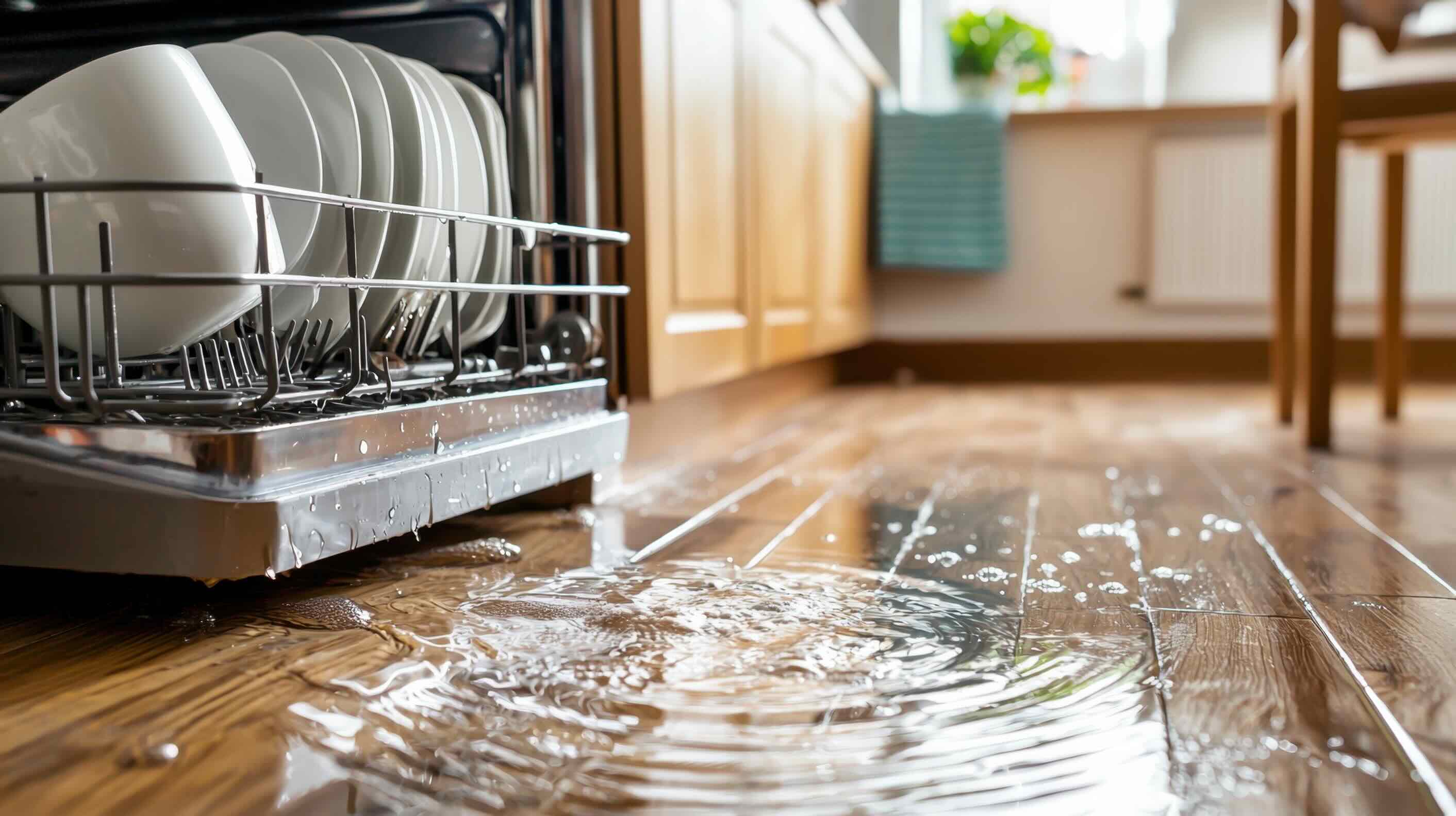
Top Signs You Need Water Damage Restoration (Not Just Drying)
Water damage doesn’t always look serious at first, but there’s often more going on under the surface that you can’t see. It’s important to watch for the signs you need water damage restoration and call the professionals, like the Dryco team. Cosmetic Signs of Water Damage It may be tempting to make cosmetic, temporary fixes,…

7 Reasons Professional Restoration is Crucial for Water Damage
When faced with extensive water damage and the costs that come with it, it’s tempting to just deal with it on your own. However, it is crucial to seek professional help for the sake of your home – and your health. Here are 7 reasons why professional water damage restoration is necessary: 1. The Extent…

What Is Water Damage Restoration?
Water damage is the result of water getting where it’s not supposed to. While this may happen during heavy rains, sewer backups, and floods, the most common cause of water damage is your property’s plumbing. There are three categories of water damage: How Water Damage Restoration Works Water damage restoration is the process of removing…

Do I Need Mold Remediation?
Why Mold Remediation is Essential for Your Health and Home Mold is a type of fungus that thrives in moist environments, both indoors and outdoors. It reproduces by releasing microscopic spores into the air, which can land on damp surfaces and rapidly develop into new mold colonies. These colonies typically form on wet walls, ceilings,…