
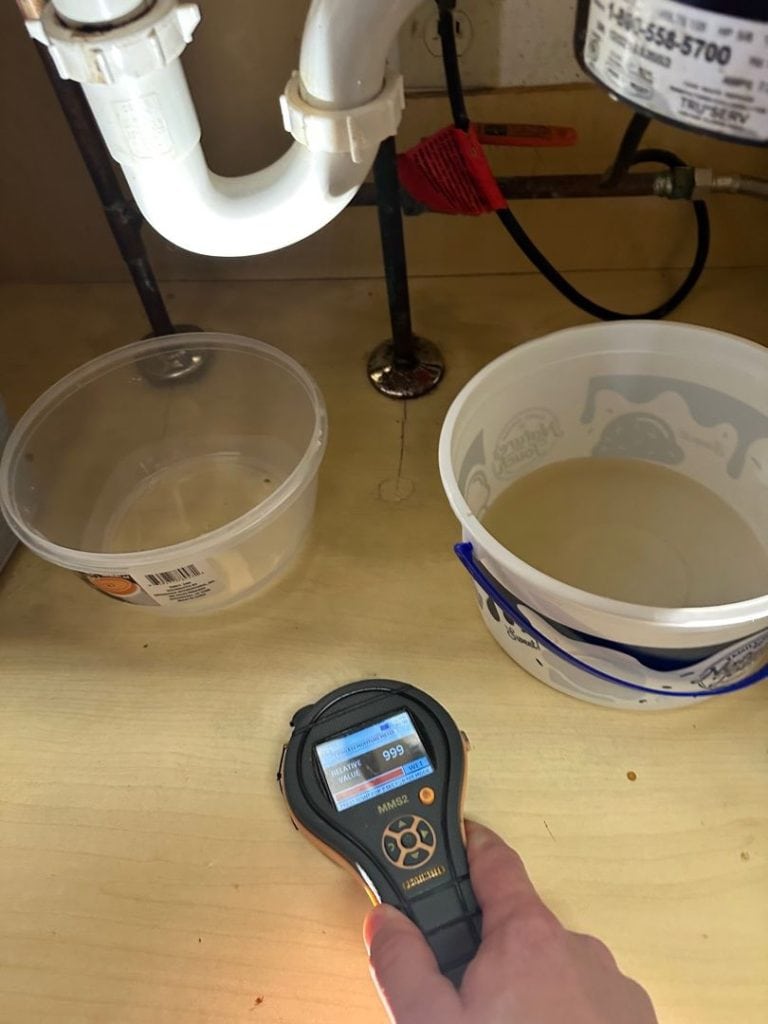
How to Prevent Water Damage While on Vacation
It’s important to inspect your home and take steps to prevent water damage before leaving for vacation, so you don’t come back to a nasty surprise.
Steps You Can Take to Prevent Water Damage While on Vacation
1. Turn off the main water supply
This is the most effective way to protect your home while away. It only takes a few minutes and completely eliminates the risk of plumbing issues or leaks. If you can’t shut it off, just turn off the individual water valves that supply major appliances and fixtures.
2. Check for any leaks
Key areas include:
- Faucets and fixtures – If water continues to drip after being shut off, you may need to replace cartridges — internal valves that control temperature and water flow — or O-rings, the watertight seals around the spout.
- Toilet tanks – If the water is still running a few minutes after flushing, it means there’s likely a leak or failed seal. This issue may not lead to water damage immediately (it may just cause your toilet to continue using water). Check around the base of your toilet for any signs of moisture if you are worried about potential water damage.
- Windows – Ensure they are properly closed and sealed.
- Around your appliances – Ensure all hoses and connections are secure, and check around the base of the appliance for any signs of moisture or water damage.
3. Clean gutters and downspouts
This prevents debris from clogging your external drains, ensuring water can’t:
– Pool on or at the edge of your roof
– Cause structural damage due to improper drainage
4. Test your sump pump (if you have one)
– Fill the sump pit with water to activate the sump pump (fill until the float triggers and discharges water).
– One of the most common reasons for sump pump failure is due to the pump itself being unplugged. Always check to ensure the pump is connected to a power source before leaving.
5. Ask a friend – or trusted neighbor – to check on your home
Quick Pre-Vacation Water Damage Checklist
| Area to Check | What to Do |
| Main water valve | Turn it off if possible |
| Toilets | Make sure they are not running after filling |
| Faucets | Check for dripping or slow leaks |
| Appliance hoses | Inspect washing machine, dishwasher, and refrigerator water lines |
| Sump pump | Test it and confirm backup power if available |
| Gutters and downspouts | Clear debris and confirm water drains away from the home |
| Windows and doors | Make sure they are closed, locked, and sealed |
| Thermostat | Keep the home warm enough to prevent frozen pipes (60° or higher is recommended) |
| Leak detectors | Place sensors near high-risk areas like sinks, toilets, water heaters, and appliances |
If you’re concerned about finding water damage after a few weeks away, reach out to our team for local, professional guidance.