Water Damage Prevention Checklist: How to Avoid Costly Claims
This water damage prevention checklist will help you stay ahead of issues, and prevent costly claims.
Top Causes of Water Damage
Here’s a list of the most common causes of water damage you may face:
- Broken or burst pipes.
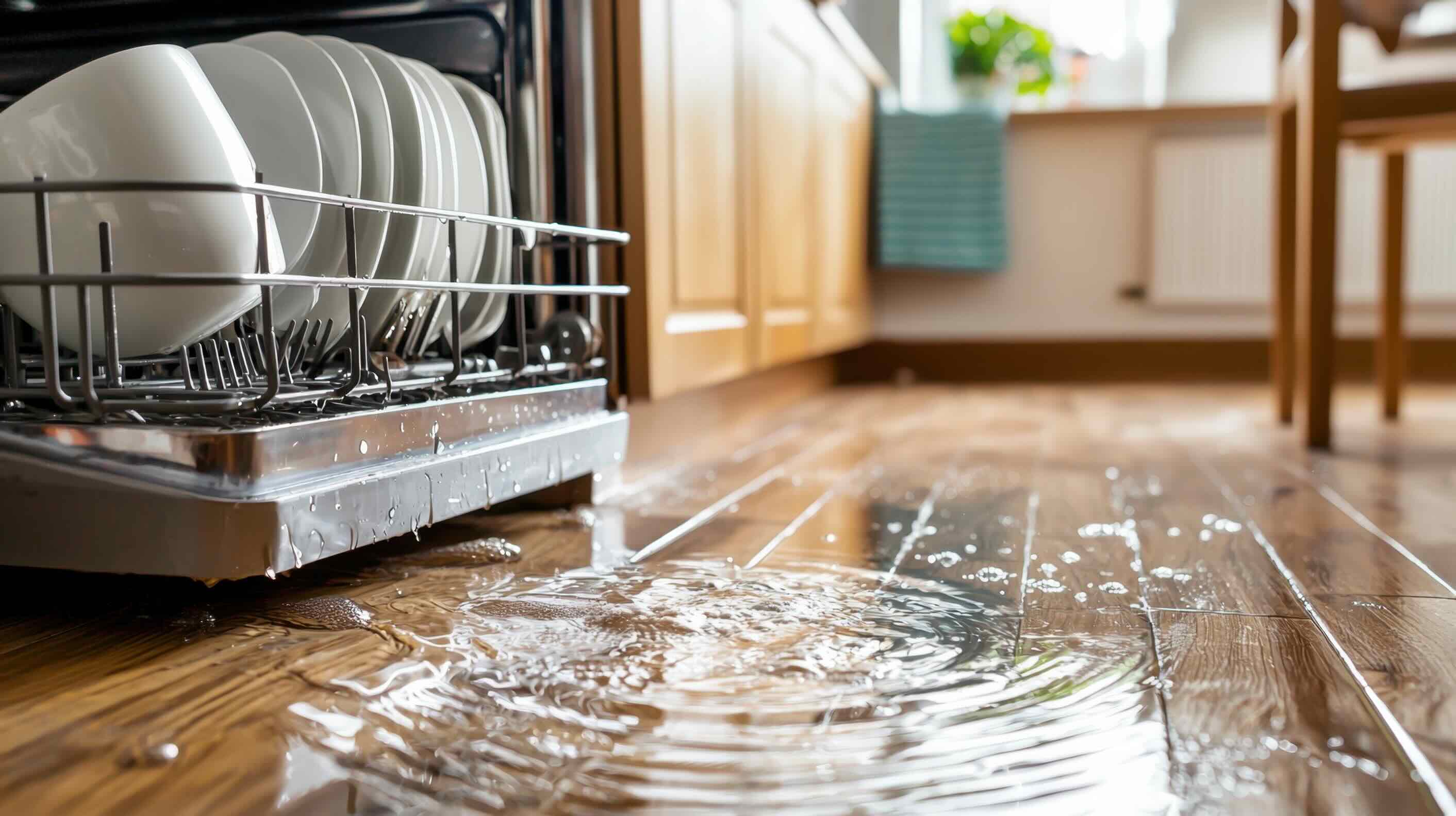
- Appliances with damaged hoses or seals.
- Damaged roofing materials.
- Sewer or Drain Backups.
- Plumbing or HVAC system leaks.
- A sump pump failing – usually a result of a power outage or a mechanical breakdown.
- Water intrusion through foundation walls or floors.
- Natural disasters.
- Heavy rainfall.
Risks Water Damage Poses to Your Home
Your home may face several risks if you don’t have water damage prevention methods in place:
- Structural damage.
- Mold and mildew growth.
- Electrical hazards, especially if water is involved.
- Pest infestations.
- Health risks from mold growth and contaminated water.
- Increasing repair costs the longer you ignore water damage.
Hidden Moisture Warning Signs
| Warning Sign | What It Could Mean |
| Musty smells in one room | Moisture may be trapped behind walls, flooring, or cabinets |
| Paint bubbling or peeling | Water may be collecting under the surface |
| Warped flooring | Moisture may have reached the subfloor |
| Soft drywall | The wall material may already be holding water |
| Higher humidity indoors | Moisture may be entering from a hidden leak or drainage issue |
General Water Damage Prevention
Preventing water damage can be simple if you do the following frequently:
- Check and maintain your gutters.
- Inspect your roof.
- Improve and maintain the drainage around your home.
- Check the seals of your windows and doors.
- Check for leaks and fix them immediately – Water leak detection devices make this process significantly easier.
- Maintain a consistent water pressure.
- Inspect and repair your appliances.
- Install (or maintain) a sump pump.
- Regular drain cleaning or sewer line replacement.
- Make sure you know where the shut-off valve for your main water supply is.
High-Risk Areas to Check First
| Area | What to Look For |
| Under sinks | Soft cabinet bottoms, stains, or slow drips |
| Around toilets | Loose base, moisture near the floor, or discoloration |
| Laundry room | Damp flooring, old washer hoses, or water marks |
| Basement corners | Efflorescence, damp walls, or pooling after rain |
| Attic | Dark roof decking, damp insulation, or stains after storms |
Preventing Water Damage While You’re on Vacation
If you’re in the habit of following the steps above, then preventing water damage while you’re on vacation will only require a few extra steps – though it doesn’t hurt to do a more thorough run-through of your usual water damage prevention checklist in the days/weeks leading up to your trip:
- Turn off your main water supply.
- Test your sump pump.
- Ask a friend – or trusted neighbor – to check on your home.
When Prevention Is No Longer Enough
Even with regular maintenance, water damage can still happen. The important thing is knowing when a small issue may have turned into something that needs professional attention. If moisture keeps coming back, smells linger, or water has reached materials like drywall, insulation, or flooring, it may be time to look deeper before the damage spreads.
| Sign | Why It Matters |
| Water keeps returning after cleanup | The source may not be fully fixed |
| The area stays damp for more than a day | Moisture may be trapped below the surface |
| A musty smell remains | Mold risk may be increasing |
| Water reached drywall, insulation, or flooring | These materials can hold moisture and need proper drying |
| You are unsure where the water came from | The leak source should be found before repairs begin |
If you’ve noticed signs of a leak or want peace of mind that your home is protected, contact the team at Dryco to schedule an assessment.