
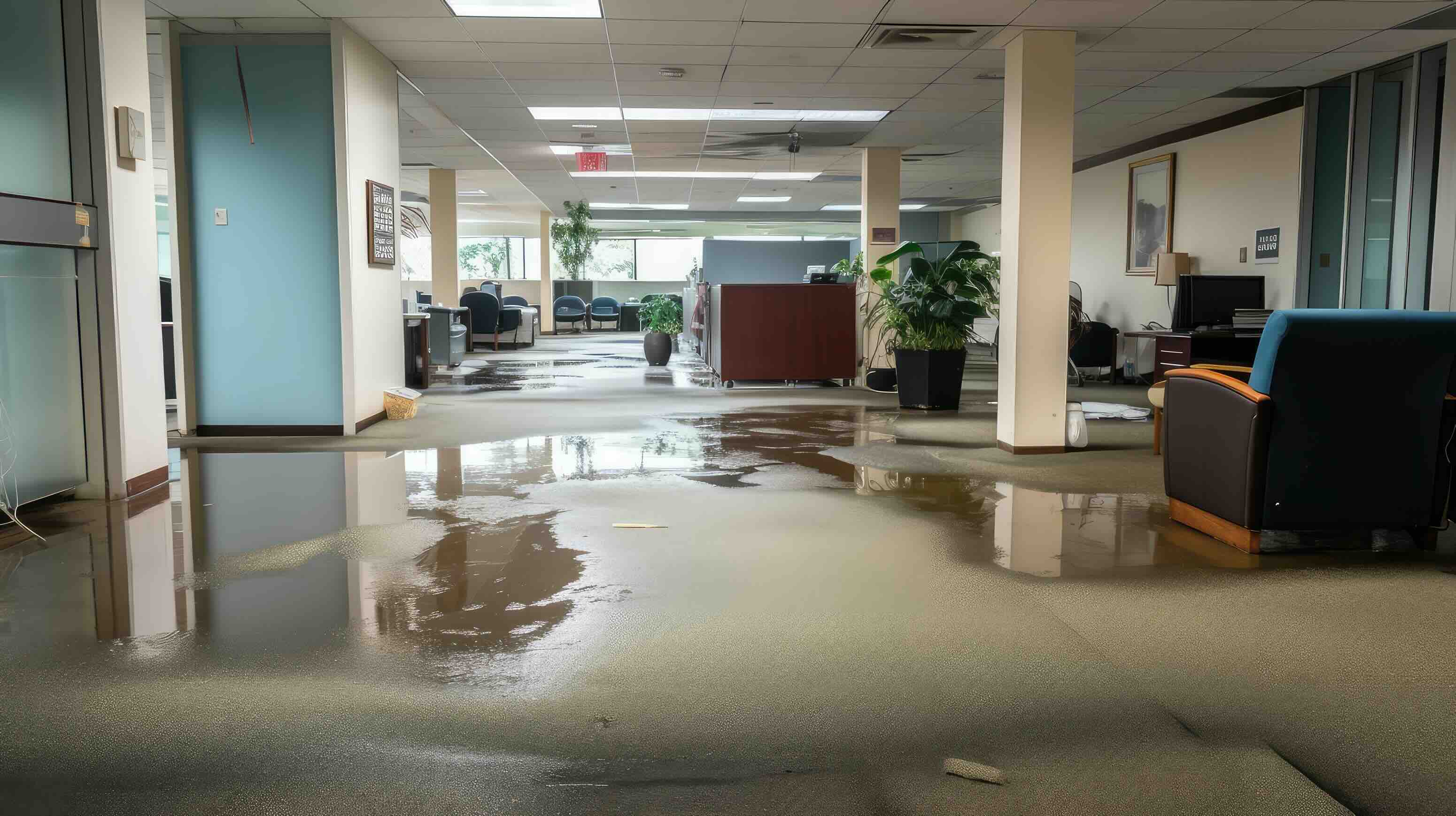
Water Damage Timeline: What Happens in the First 24-72 Hours
Water damage can spread surprisingly quickly, and the first 24 hours can make a real difference in how much of your home is affected. What might look manageable in the first hour can turn into a significantly larger restoration project by hour 72. Understanding this timeline is crucial to understanding why a fast response is so necessary.
How Water Damage Can Progress Over 72 Hours
| Timeframe | What Is Happening |
| Hour 1 | Water spreads across surfaces and starts soaking into porous materials like carpet, drywall, and wood. |
| Hours 1-24 | Moisture can spread through drywall and flooring. Wet furniture may stain nearby surfaces, and moisture can reach materials beneath the visible water. |
| Hours 24-48 | Mold growth may begin, depending on moisture levels, temperature, and other conditions. |
| Hours 48-72 | Wood flooring and framing may begin to swell or warp; odors can develop as materials stay wet; some materials may need to be removed and replaced if they can’t be dried or have deteriorated. |
| Beyond 72 hours | Secondary damage, including mold growth, is significantly more likely, and the scope of restoration may expand depending on the conditions and materials involved. |
Why This Timeline Drives Restoration Decisions
Many professional restoration teams will aim to remove standing water and dry affected materials as quickly as possible. Responding to water damage in the first 24 to 48 hours means a better chance of your belongings being saved rather than replaced. The sooner drying begins, the better the chances of limiting further damage.
Materials That Are Most Time-Sensitive
- Carpet and carpet padding: The biggest concern with carpeting and padding is whether it can be dried thoroughly, because these are materials that tend to retain moisture.
- Drywall: Moisture can wick upward and spread beyond the visible waterline. If drywall is saturated, swollen or damaged, it may need to be removed.
- Hardwood and laminate flooring: Prone to swelling, cupping, and warping the longer moisture remains.
- Wood framing and subfloor: Can absorb moisture, increasing the risk of mold growth and material deterioration if they aren’t dried thoroughly enough.
Humidity and Temperature Accelerate the Clock
Warm, humid conditions can encourage mold growth and slow drying. As a result, restoration professionals will measure moisture levels and humidity rather than rely on a fixed timeline to determine how far damage has progressed.
Dryco provides 24/7 response specifically to act within this critical window. Contact us.
Frequently Asked Questions
Q: Does this timeline apply to all types of water damage equally?
The general pattern applies broadly, but the risks differ depending on the water source. Sewage and floodwater can contain harmful contaminants, so they need to be handled by professionals and treated with caution. Even clean water can damage materials and lead to mold growth if it isn’t dealt with promptly.
Q: Can professional drying reverse damage that has already occurred?
Professional drying can often save materials that have absorbed moisture but haven’t suffered too much damage. Unfortunately, drying alone won’t reverse problems like warped flooring, delamination, or established mold growth. Depending on the material and the severity of the water damage, cleaning, repairs or replacement may be necessary.
Q: How do professionals know when a space is fully dry?
Restoration professionals use moisture meters to check affected materials and compare readings with similar, unaffected areas in your home. Thermal imaging can help identify temperature patterns that may indicate hidden moisture, but it doesn’t measure moisture directly. A space is only considered dry when the moisture readings of the affected materials reach appropriate drying goals.
Resources
Dryco:
Water Damage Restoration Services
Water Damage Restoration: The Complete Homeowner Guide
External: