
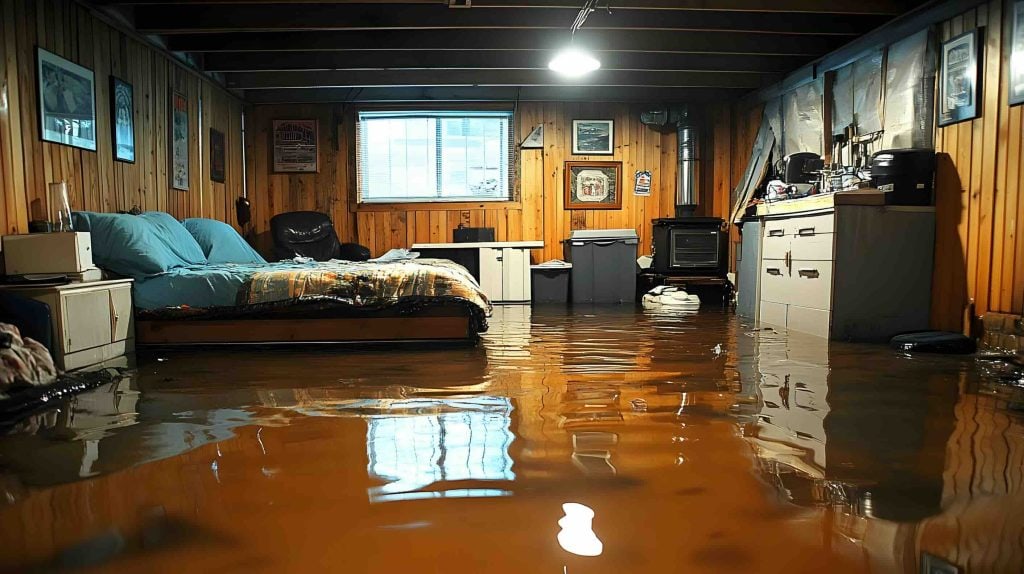
What to Do Immediately After Water Damage (Before Help Arrives)
If you’re searching for what to do after water damage in Duluth, the first step is confirming you have a genuine water damage emergency on your hands. From there, the next few minutes are the most crucial. There is a specific set of steps you need to follow, and jumping ahead (such as trying to clean the area before you’ve managed to stop the source) is one of the most common mistakes homeowners can make.
The Correct Sequence
- Confirm the area is safe. Check for exposed wiring, a sagging ceiling, or any sign of structural instability before entering.
- Stop the water source if you can do so safely, typically at the nearest fixture shutoff valve or the home’s main water valve.
- Photograph and document the damage before moving or discarding anything.
- Call a professional restoration company and your insurance carrier.
- Begin light, safe mitigation only if instructed to, while you wait for help to arrive.
Step 1: Safety Before Anything Else
There are several dangers that can come with water damage, and you need to ensure you’re in the clear before attempting to do anything. If standing water has reached outlets, switches, appliances, or your breaker panel, DO NOT enter the area or touch anything electrical. Instead, call a professional.
If the ceiling seems to be sagging or bulging, steer clear. The weight of trapped water can cause structural failure without warning and while you may want to save your home, protecting yourself should be a much higher priority.
Step 2: Stop the Source
Once you’ve confirmed that the situation is safe, you can move to take care of the source. If the source is identifiable and involves a water supply line or appliance connection, shut off the nearest valve or the home’s main water supply if needed, before professional help arrives.
| Water Source | What to Shut Off |
| Burst supply line under a sink or toilet | The fixture’s individual shutoff valve |
| Washing machine or dishwasher failure | The appliance’s water supply valve |
| Unknown source | Avoid contact and call a professional |
| Main line break | The home’s main water shutoff valve |
| Sewage backup | Avoid contact and call a professional |
Step 3: Document Before You Touch Anything
Photograph and, where possible, video the affected area, the water source, and any damaged belongings before you move or discard anything. This documentation can be important for your insurance claim, especially once items have been moved, cleaned, or discarded.
Step 4: Make the Right Calls
Once you’ve assessed the situation as much as you reasonably can, it’s time to call in the professionals. If water is still spreading or causing damage, call a restoration company right away so mitigation can begin. You can then contact your insurance company to open a claim and find out what documentation they need.
Dryco provides 24/7 emergency response throughout the Duluth region. Contact us as soon as it is safe to do so.
What NOT to Do in This Window
| Common Mistakes That Make Things Worse Using a standard household vacuum on standing water, which can create an electrical hazard. Running your HVAC system if water may have entered the ductwork. Discarding damaged items before photographing them or checking with your insurance carrier about documentation requirements. Delaying the call while you try to handle cleanup yourself. |
Frequently Asked Questions
Q: What if I can’t find the main water shutoff valve?
If you can’t find your main shutoff valve during an emergency, just focus on the nearest fixture shutoff instead and call a professional immediately.
To avoid this during an emergency, take a moment to locate your main shutoff valve. It’s usually near where the water line enters your home, such as a basement or utility closet.
Q: Should I move furniture before or after documenting the damage?
Document first whenever possible. If items are actively being damaged by rising or spreading water and moving them is safe, do so, but photograph the original position and condition first if you can.
Q: Do I need to wait for my insurance adjuster before starting cleanup?
No. Most policies expect you to take reasonable steps to prevent further damage, which can include starting professional mitigation promptly. Document the damage before mitigation begins whenever it is safe to do so, and follow your insurance carrier’s instructions about what to preserve and what documentation they need.
Resources
Dryco:
Water Damage Restoration Services
External:
IICRC S500 Standard for Water Damage RestorationReady.gov: Flood Preparedness and Response