How to Mitigate Water Damage Until Help Arrives
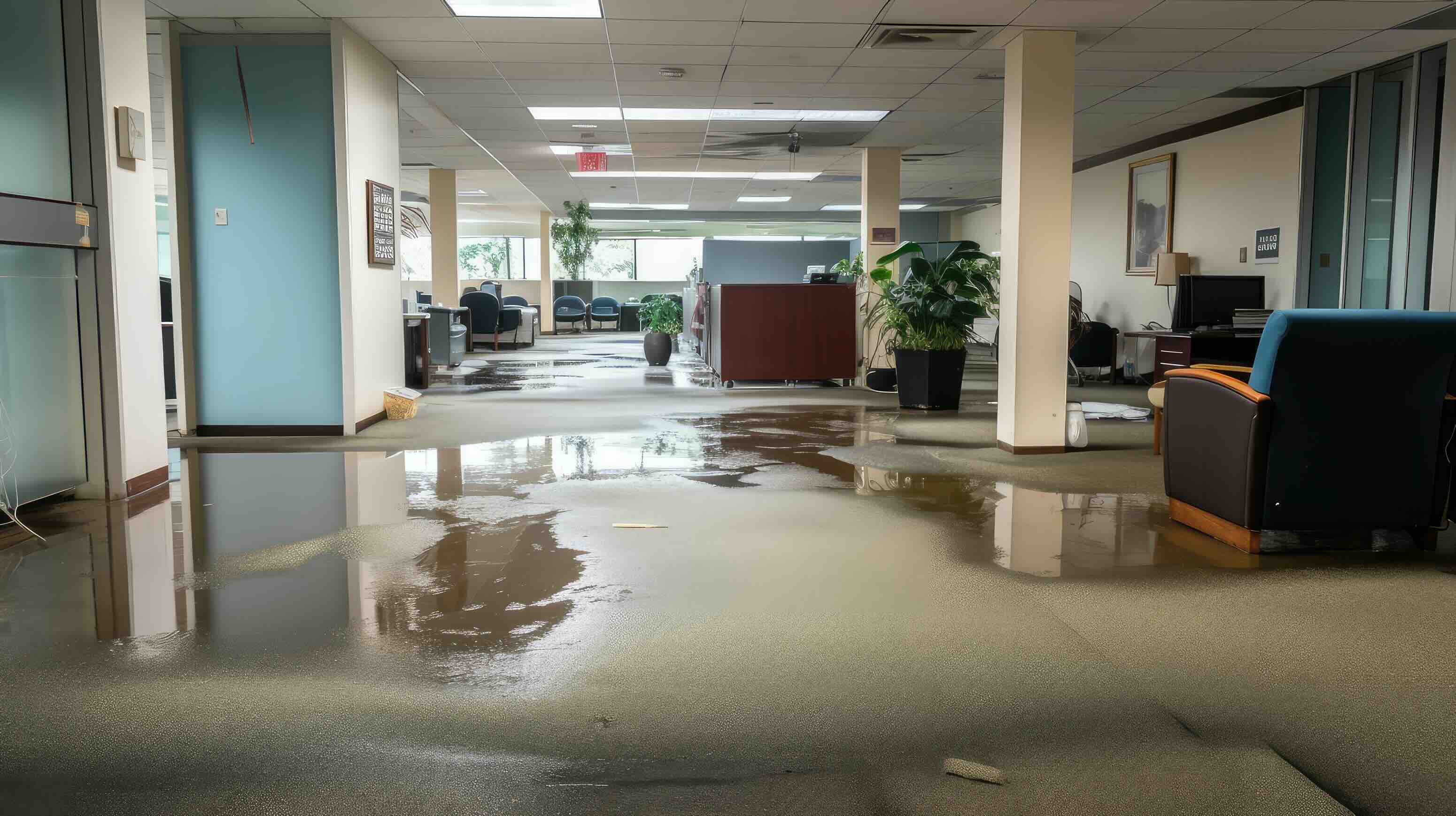
You’ve stopped the source of water, called professionals, and now you have to wait. That can be frustrating, especially when you know every minute matters. Fortunately, there are safe water mitigation steps you can take to slow the damage while you wait, without attempting the full cleanup better left to professional equipment.
What Mitigation Means in This Context
Mitigation is not restoration. It’s a limited set of actions you can take that reduce how much worse the situation can get while you wait for help to arrive. The main goal is to protect what you can without causing harm to yourself, creating new problems, or interfering with the professional process that follows.
Safe Steps You Can Take
- Move dry, easily accessible belongings out of the path of the water.
- Lift furniture legs onto blocks, foil, or plastic to keep them from sitting directly on wet flooring and prevent stains or finish transfer.
- If the water is clean and there are no visible signs of mold, you can encourage air movement by opening windows and running fans.
- Remove area rugs from standing water if they can be moved without spreading contamination.
What to Avoid While Waiting
| Action | Why to Avoid It |
| Using a standard household vacuum on standing water | Creates an electrical shock hazard and does not extract water effectively |
| Running your HVAC system | If the HVAC system or ductwork has been affected by water, running it can spread contaminants throughout the home |
| Attempting to dry the space with only household fans | Can help with air movement, but they aren’t a substitute for professional drying equipment and won’t tell you whether moisture is trapped in flooring or walls |
| Discarding wet, damaged items | Discarding items too soon can make it harder to document the damage for an insurance claim |
| Walking through water of unknown depth or contamination | Risk of injury, electrical shock from energized equipment, or exposure to contaminants |
If the Water May Be Contaminated
If you suspect the water may be contaminated because it involves sewage, floodwater, or an unknown source, don’t attempt any kind of hands-on cleanup or extraction yourself. Instead, get yourself, your family, and your pets away from the area entirely and wait for the professionals. No limited DIY effort is worth the risk of interacting with contaminated water.
We offer sewage backup cleanup services for situations involving sewage specifically.
Why This Window Still Matters
Water can be unpredictable. Even a short delay before professional extraction allows it to continue spreading into flooring, baseboards, and other materials. While safe water mitigation won’t replace professional drying, it can meaningfully reduce how far the damage spreads.
If you need water mitigation in Duluth, MN, Dryco provides 24/7 emergency response throughout the region. Our team can also talk you through safe mitigation steps by phone while we’re en route. Contact us.
Frequently Asked Questions
Q: Is it worth buying a shop vac to handle this myself?
For a genuine emergency involving more than a small spill, professional extraction equipment can remove water far more quickly and thoroughly than a consumer wet/dry vacuum. It also gives professionals better visibility into how much moisture has moved into flooring and other materials.
Q: Should I turn off my home’s electricity entirely?
Only if you can do so safely without entering standing water, and only if you know how to do so. If the breaker panel itself is wet or inaccessible without walking through water, wait for a professional or an electrician rather than risking injury.
Q: How long is too long to wait for a restoration crew?
The sooner professional extraction and drying can begin, the better. This is why Dryco maintains 24/7 emergency response rather than standard business hours. If you are told a significant wait is expected, ask specifically what safe mitigation steps are appropriate for your situation.
Resources
Dryco:
Water Damage Restoration Services
External: