
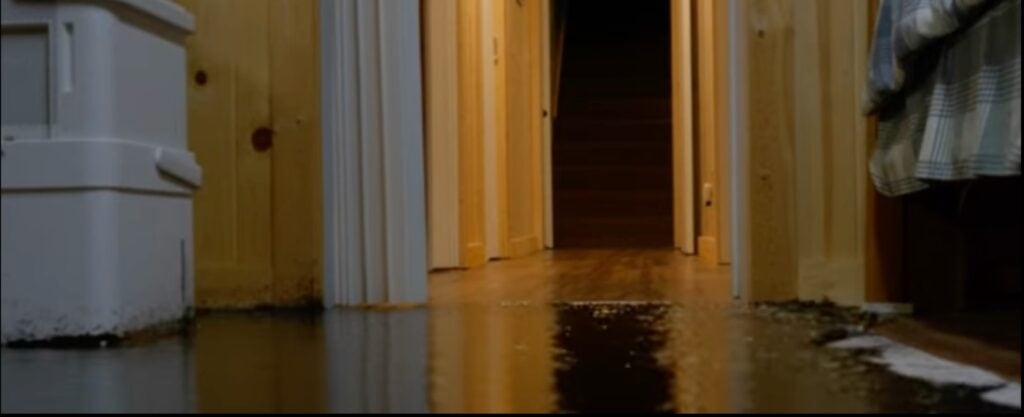
Risks of Standing Water After a Basement Flood
Once the immediate safety checks are handled and the water stops rising, it’s tempting to think the worst is over. In reality, new problems are beginning to develop. Standing water left in a basement creates escalating risk with every hour that passes. Whether you are dealing with basement flood cleanup in Duluth, MN or another area, understanding these risks can help you prevent a manageable situation from becoming a much larger and more expensive restoration project.
Risk 1: Mold Growth Can Begin Within 24 to 48 Hours
Mold spores are present in virtually every home and require only moisture, an organic food source, and time to establish colonies. Drywall, wood framing, carpet, and insulation all provide the organic material mold needs to thrive. The Environmental Protection Agency and CDC both confirm that mold growth can begin within one to two days of water exposure. That is why rapid water removal and drying are critical to limiting additional damage and restoration costs.
If mold has already developed, see Dryco’s mold damage remediation services.
Risk 2: Structural Materials Absorb Water Quickly
Drywall can wick water upward beyond the visible waterline, leaving moisture in areas that don’t appear to have been directly submerged. Wood framing swells and can warp. Carpet padding absorbs and retains water, making it difficult to dry thoroughly in place and potentially creating a hidden, long-term moisture and mold reservoir even after the surface carpet appears dry.
| Material | Water Absorption Behavior | Potential Outcome If Not Dried Promptly |
| Drywall | Can wick water above the visible waterline | Lower sections typically need replacement |
| Carpet padding | Absorbs and retains moisture like a sponge | Often requires replacement, particularly after contaminated-water exposure |
| Wood framing / studs | Swells and can warp or crack as it dries unevenly | May require professional drying equipment to save |
| Subfloor / OSB | Delaminates and swells with prolonged exposure | May require replacement if swelling or delamination is significant |
| Insulation (fiberglass or cellulose) | Loses R-value when wet; cellulose can compact permanently | Cellulose typically requires replacement; fiberglass may be salvageable if thoroughly dried and undamaged. |
Risk 3: Electrical System Damage
Outlets, switches, and wiring below the waterline can be compromised even after the water recedes and everything appears dry. Corrosion inside electrical components can create a delayed fire or shock hazard. Any electrical system that was submerged should be inspected by a licensed electrician before being put back into service, regardless of how quickly the water was removed.
Risk 4: Contaminated Water and Health Hazards
Floodwater that has entered from outside the home can contain bacteria and other contaminants, while water backed up from a sewer line can contain a range of pathogens. Prolonged exposure to contaminated standing water, or breathing air in a space where it has been sitting, poses real health risks including gastrointestinal illness and skin infections. This is a primary reason professional extraction is recommended over DIY cleanup whenever contamination is suspected.
Risk 5: Pest Attraction
Standing water and persistently damp conditions can attract insects and other pests, particularly when moisture remains for several days. Damp areas can also worsen existing pest problems, adding another cleanup concern to the original water damage.
Why Timing Changes the Entire Cost Equation
Each of these five risks increases the longer water sits. A basement addressed within hours may need only extraction and drying. The same basement left wet for a week may require drywall removal, carpet and pad replacement, framing repairs, and mold remediation, multiplying the total cost several times over.
For that reason, professional basement flood cleanup in Duluth, MN should focus on rapid extraction, moisture removal, and thorough drying.
No matter the extent of the water damage you’re facing, the Dryco team is ready to help. Just give us a call.
Frequently Asked Questions
Q: How can I tell if mold has already started growing?
Look for a musty odor, visible discoloration, or fuzzy growth. Mold can also develop behind walls or under flooring where it is not immediately visible, which is why professional moisture testing matters even when surfaces look fine.
Q: Is it ever too late to save a wet basement?
In most cases, no. Even basements flooded for a week or more can typically be restored, though a greater proportion of materials will require replacement rather than drying. The main difference is in the scope and cost of restoration, not whether restoration is possible at all.
Q: Can I just run fans and let it dry naturally?
Household fans improve air circulation and can help with evaporation, but they don’t remove moisture from the air. In an enclosed basement, a dehumidifier is typically needed to lower humidity and support effective drying. Professional drying equipment removes moisture from the air and building materials far more effectively, helping reduce the conditions that allow mold to grow.
Resources
Dryco:
Flooded Basement Cleanup Services
External:
EPA: Mold and Moisture in the Home