
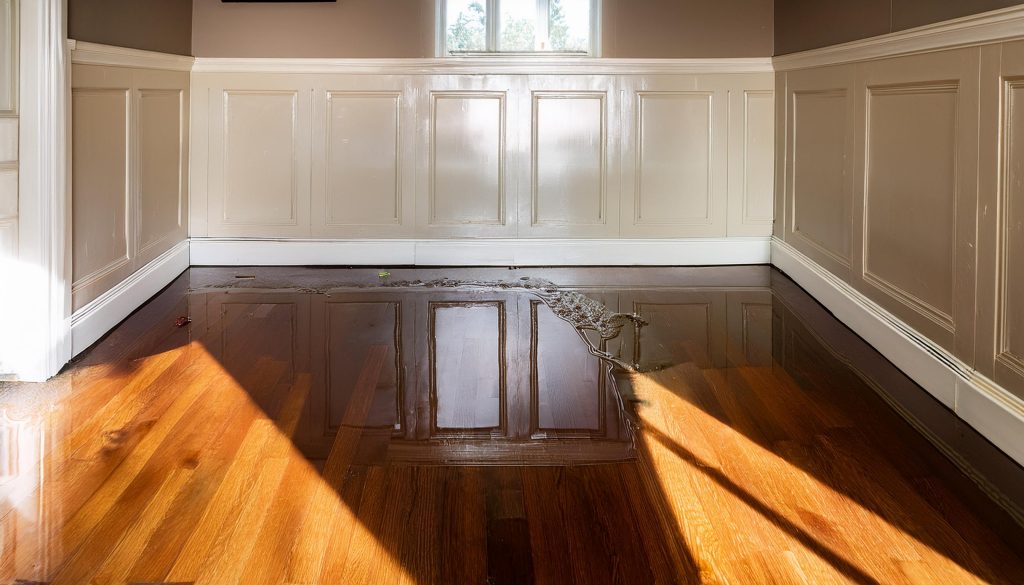
Flooded Basement in Duluth: What to Do First (Safety, Cleanup, and Insurance)
A flooded basement is one of the more disruptive events a homeowner can face, and in Duluth it is far from rare. Heavy rainfall, spring snowmelt, sewer backups, sump pump failures, groundwater seepage, and frozen pipe bursts are some of the most common causes of basement flooding across Duluth, Hermantown, and the surrounding region each year.
The decisions made in the first hour after discovering water often determine the overall extent of the damage. This guide is organized around the five questions homeowners consistently need answered: what to do first for safety, why timing determines the scope of damage, what insurance is likely to cover, what a professional restoration process involves, and how to complete a full and lasting recovery.
Why Basements Flood in Duluth
Duluth basements are exposed to a broader range of flood causes than basements in many parts of the country, owing to the region’s clay-heavy soil, aging housing stock, steep hillside lots, and pronounced seasonal swings between hard winter freeze and heavy spring rain.
| Cause | How It Happens | Season Most Common |
| Heavy rainfall/storm runoff | Surface water overwhelms yard drainage and window wells | Spring through fall |
| Spring snowmelt | Rapid melting saturates the ground faster than it can drain | March to April |
| Sewer backup | Heavy rainfall can overwhelm municipal sewer infrastructure, causing wastewater to back up into home drains | Spring and summer storms |
| Sump pump failure | Power outage, pump burnout, or clogged discharge line during a rain event | Any season with power outages |
| Groundwater seepage | Hydrostatic pressure pushes water through foundation cracks and joints | Spring; high water table periods |
| Frozen or burst pipes | Pipes freeze and rupture in unheated or poorly insulated areas | Winter |
Identifying the cause of a flood matters for two distinct reasons: it determines the safety risk (a sewer backup is a biohazard; clean rainwater is not) and it directly determines whether the resulting damage is covered under a standard homeowner’s insurance policy.
1. Safety Comes Before Cleanup
Standing water on its own can cause health risks, but when combined with an active electrical circuit, a gas leak, or sewage contamination it becomes a genuine safety hazard. Before any cleanup can begin, you need to ensure the area you’re working in is safe.
| Do Not Enter Standing Water Until You Have Confirmed: Electricity to the basement is off: If outlets, cords, or appliances are in contact with water, treat the area as live and do not enter. Shut off power at the breaker panel only if the panel itself is dry and accessible, or contact an electrician. There is no gas odor present: Floodwater can damage gas appliances or extinguish pilot lights, creating the potential for a gas leak. If you smell gas, leave immediately and contact your gas utility from outside. The water is not contaminated: Sewer backup and any floodwater that has contacted the ground outside may carry bacteria and other pathogens. Treat water of unknown origin as contaminated and avoid direct contact. |
2. Why Timing Determines the Scope of Damage
Mold can begin colonizing wet building materials within 24 to 48 hours of exposure. Every hour that water remains in a basement increases the likelihood that drywall, carpet padding, and framing will require full replacement rather than drying and restoration. Standing water also carries ongoing electrical, structural, and health risks for as long as it remains in place.
3. Understanding Your Insurance Coverage
Insurance coverage for a flooded basement in Duluth, MN depends entirely on its cause. A burst pipe or failed appliance is typically covered under a standard homeowner’s policy. Stormwater, groundwater seepage, and sewer backup are typically excluded unless a specific endorsement or a separate flood insurance policy has been purchased in advance.
| Cause of Flooding | Standard Homeowner’s Policy | What You Likely Need |
| Burst pipe or appliance failure | Usually covered | No additional coverage needed |
| Sewer or drain backup | Not covered by default | Sewer/water backup endorsement |
| Sump pump failure | Not covered by default | Sump pump failure or water backup endorsement |
| Stormwater/surface flooding | Not covered | Separate flood insurance (NFIP or private) |
| Groundwater seepage | Not covered | Typically considered a maintenance issue; coverage is uncommon |
4. What Professional Restoration Involves
Professional flood restoration follows a defined sequence: a safety assessment, water extraction, moisture mapping, structural drying and dehumidification, and cleaning and disinfecting of all affected surfaces. DRYCO manages this full mitigation and restoration process for homes throughout the Duluth region, from initial extraction to the final moisture clearance.
Dryco’s scope covers water mitigation, drying, cleaning, and disinfecting. For structural rebuilding work, such as replacing drywall, flooring, or framing, our team documents the full extent of damage so homeowners can proceed with a licensed contractor of their choosing.
5. Completing a Full Recovery
Once a space has been extracted and professionally dried, recovery shifts to cleaning, disinfecting, and determining what can be salvaged versus what must be replaced. This stage is where many homeowners introduce avoidable problems by returning items to the affected area or beginning repairs before it has been confirmed fully dry and sanitized.
Conclusion
A flooded basement in Duluth, MN is manageable when approached in the right order: safety first, followed by a clear understanding of how quickly damage escalates, an accurate read on what insurance will and will not cover, a properly executed restoration process, and a recovery plan that addresses the space fully rather than partially. Homeowners who follow this sequence consistently see lower total damage, cleaner insurance claims, and a basement that does not carry hidden problems into the following season.
Dryco Restoration Services provides 24/7 emergency basement flood response throughout Duluth, Hermantown, Cloquet, Superior, and the surrounding region, working directly with insurance carriers from the first call through final clearance.
Contact Dryco 24/7 | Water Damage Restoration Services | View Our Service Area
Frequently Asked Questions
Q: How much water in a basement is considered a serious flood?
Any standing water deep enough to reach drywall, baseboards, or stored belongings should be treated seriously. Even an inch of water left for 48 hours can produce mold growth and necessitate the replacement of carpet padding and lower sections of drywall.
Q: Can a household wet/dry vacuum be used for a flooded basement?
For small amounts of clean water, yes. For anything beyond a few inches, or for water suspected of sewage contamination, a household vacuum is inadequate and potentially unsafe. Professional extraction equipment removes water considerably faster and reduces the window for mold development.
Q: How long does it take to dry out a flooded basement?
With professional air movers and dehumidifiers, most basements reach safe moisture levels within three to five days. Without proper equipment, natural drying can take several weeks, during which the chance of mold growth increases significantly.
Q: Does Dryco handle repairs after the water is removed?
Dryco manages water extraction, structural drying, cleaning, and disinfecting. For rebuilding work such as new drywall, flooring, or framing, our team documents precisely what was affected so homeowners can proceed confidently with a licensed contractor.
Resources
Dryco:
Flooded Basement Cleanup Services
Agent and Adjuster Information
External:
FEMA: National Flood Insurance Program
EPA: Mold and Moisture in the Home
Insurance Information Institute: What a Homeowner’s Policy Covers