
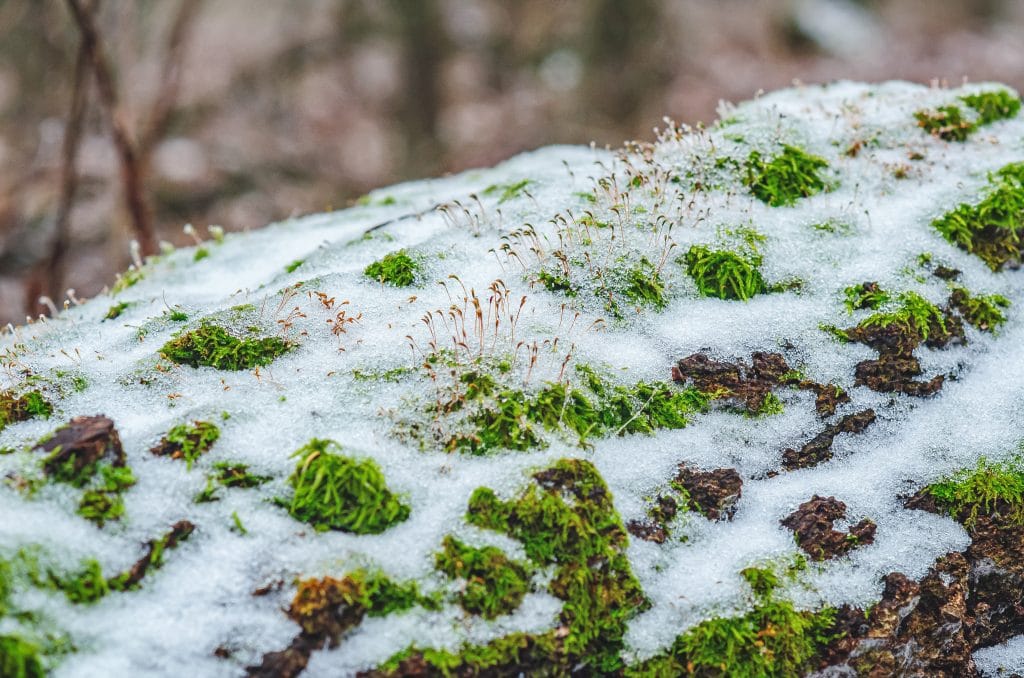
Does Mold Grow in Winter? Why Cold Weather in Duluth Does Not Stop It
Mold growth after water damage isn’t dependent on the season. It can seem like a far more likely issue in summer because the heat and humidity make a perfect combination for mold, but it can be just as prevalent an issue in winter. This is because, while outside may be cold, your house is warm, sealed up tight, and full of moisture. In Duluth, these conditions can last six months or more.
| The short answer Yes. Cold slows mold growth, but it doesn’t stop it, and freezing won’t kill the spores. Indoors, winter often adds condensation, ice dam leaks, and burst pipes. Those bring the moisture that mold needs. |
How Does Mold Grow in Winter?
Temperature influences mold growth, generally slowing it down as the temperature drops. However, colder temperatures don’t eliminate mold.
- Freezing temperatures can slow or stop mold growth, but they usually don’t kill mold spores. When moisture and warmer conditions return, any surviving spores may reactivate and start growing again.
- Moisture is the most important factor in mold growth. According to the EPA, without moisture mold spores won’t grow.
- Your house is not cold. Most heated homes in Duluth are kept in the 60s and 70s during winter, which is a comfortable range for mold.
- Cold surfaces are the exception that matters. Cold windows and exterior walls collect condensation, creating a damp surface for mold to grow on.
So, when people ask, ‘Does mold grow in winter?’ the better question is this: ‘Is there moisture in the house?’ If there is, the season does not matter.
Why Winter Creates Moisture Indoors
Winter changes the environment of your house and how it handles water.
Homes are sealed tight
In winter, windows stay shut and doors tend to open less. Storm windows and weatherstripping keep heat in. That is good for your heating bill, but it also traps moisture inside.
Daily life adds water to the air
Through showers, cooking, laundry, and even breathing, you are constantly adding to the moisture buildup in the air. Humidifiers add more and because there is less flow of fresh air within your home, humidity climbs.
Warm, moist air meets cold surfaces
Windows, exterior wall corners, closets on outside walls, attic roof decks, and rim joists can become cold during winter. When warm, humid air touches them, water condenses and collects on those surfaces. The same thing happens to cold glasses of water in warm environments.

Figure 1. How a Duluth winter creates mold conditions indoors.
Roof and plumbing problems add real water
According to the Minnesota Department of Health, there are many common sources of moisture in a home:
- Ice dams
- Leaky roofs
- Backed-up sewers
- High indoor humidity
- Condensation
- Humidifiers
- Frozen pipes that crack and thaw
The Science: Why Humidity Matters So Much in Winter
The amount of condensation that can form in an area depends on two things: indoor humidity and surface temperature. The higher the humidity, the warmer a surface can be and still collect water.
The chart below shows the surface temperature at which condensation begins. It assumes indoor air at 70 degrees Fahrenheit. We calculated these temperatures using the Magnus dew-point formula.

Figure 2. Surface temperature where condensation forms, for indoor air at 70°F.
Here is what the numbers mean in a real home.
| Indoor humidity (at 70°F) | Condensation forms on any surface colder than about * | What that means in a Duluth winter |
| 20% | 27°F | Only very cold surfaces collect water. |
| 30% | 37°F | Single-pane glass and uninsulated corners may collect water on cold days. |
| 40% | 45°F | Many windows and exterior wall corners can collect water in winter. |
| 50% | 50°F | Condensation is likely on cold surfaces throughout the house. |
| 60% | 56°F | Surfaces that feel merely cool can collect water. |
* These are approximate dew-point temperatures, not predictions of where condensation will occur in every home. Actual surface temperatures vary with insulation, window construction, air leakage, and outdoor conditions.
This is why the Minnesota Department of Health recommends keeping indoor humidity between 20 and 40 percent in winter. Lower humidity keeps more surfaces above the condensation point. A basic hygrometer will determine how high your home’s humidity is, but you can also just look for condensation on the inside of your windows. If you find any, your indoor humidity may be too high for the outdoor temperature, or the glass may be too cold because of inadequate insulation or air leaks.
Where Winter Mold Shows Up
| Moisture source | Where mold tends to appear | What to do |
| Window condensation | Sills, frames, and nearby curtains or blinds. | Wipe it up. Lower humidity. Use fans. |
| Over-humidified air | Cold exterior walls, behind furniture, and in closets on north-facing walls. | Check humidity. Reduce humidifier use. Leave space around furniture on outside walls. |
| Ice dam leaks | Ceilings and exterior walls near the eaves. The underside of the roof deck. | Stop the leak. Dry the area. Check the attic and the wall cavity. |
| Attic frost or condensation | Roof sheathing and insulation. | Check attic air sealing and ventilation. |
| Frozen pipe bursts | Wall cavities, floors, and finished basements. | Call for emergency water mitigation right away. |
| Snowmelt seepage | Basement walls, the rim joist, and stored boxes. | Move snow away from the foundation. Check the sump pump. Dry the area. |
| Poor kitchen and bath venting | Bathroom ceilings. Walls near the stove. | Run exhaust fans. Make sure they vent outside. |
Water Damage Can Still Happen in Winter
Cold air won’t protect against wet buildings. Consider a frozen pipe that bursts in an exterior wall. Because your home is heated, the water will soak into the insulation and framing in the closed cavity of your walls. That moisture can stay trapped for days or weeks, which is a great setup for mold, even in January.
The same is true for ice dams. Meltwater can back up under shingles and drip into the attic and down the wall. This can soak the insulation, but you may only notice a small stain on the ceiling.
Risks for Empty Homes, Cabins, and Seasonal Properties
Winter is especially risky for properties that sit empty and may go unchecked for weeks, such as those on the North Shore.
When the heat is turned down, a pipe can freeze and burst, which will leave water running until someone arrives to check the property. By then, your building materials may have been wet for a few days or weeks, and when the building warms up, any remaining moisture can allow mold to grow. If the owner returns and doesn’t check for possible damage before turning the heat up, conditions can quickly become favorable for mold growth.
Fortunately, there are a few steps you can take to protect your property when you leave it empty:
- Keep the heat on at a safe minimum, but be aware of the risk of power outages
- Consider shutting off and draining the water if you’re going to leave the property empty for a while.
- Ask someone to check on your property regularly during cold snaps.
- Check the humidity and look for condensation when you return.
- If you find a leak, treat it like an emergency. Stop the water when it’s safe to do so, arrange prompt drying, and call a professional if your materials are saturated or you suspect water may be trapped inside the walls or floors.
Spring Thaw: When Dormant Problems Wake Up
Mold that stayed dormant over winter can start growing when warmth and moisture return with the spring thaw. Snowmelt can run toward foundations, and crawlspaces and basements can turn damp.
After the thaw, check these places.
- Basement walls and floors.
- The rim joist and sill plate.
- The crawlspace, if you have one.
- The attic roof deck and insulation.
- Any area that had a leak, frozen pipe, or ice dam during the winter.
A Winter Mold Prevention Checklist
- Buy a hygrometer. Aim for 20 to 40 percent humidity in winter, as the Minnesota Department of Health recommends.
- Run bathroom and kitchen exhaust fans during and after showers and cooking. Make sure they vent outdoors.
- Wipe condensation off windows. If it keeps coming back, lower the humidity.
- Check your humidifier settings. Turn them down if windows are wet.
- Leave a few inches between furniture and cold exterior walls so air can move.
- Open closet doors on outside walls occasionally to let air circulate.
- Watch for ice dams. Make sure the attic is insulated, air-sealed, and ventilated.
- Keep snow and ice away from the foundation so melt drains away from the house.
- Know where your main water shutoff is, in case a pipe bursts.
- Winter-proof your home.
When to Call a Professional in Winter
- After any burst pipe, roof leak, ice dam leak, or sewer backup.
- If mold covers more than 10 square feet.
- If you smell a musty odor you cannot trace.
- If condensation and mold keep returning after you lower humidity. That points to a ventilation or building problem.
The EPA says that the key to avoiding mold is fixing your moisture problems and drying your surfaces. Small spots of mold on a window frame can usually be cleaned with detergent and water, but larger areas of mold, hidden moisture, or any contaminated water may require professional help.
Dryco responds 24/7 all winter in Duluth and the surrounding region. Learn about our mold remediation and water damage services, or contact us now.
Frequently Asked Questions
Q: Does freezing weather kill mold?
No. Freezing can slow or pause growth, but it doesn’t reliably kill mold. Spores can survive in a dormant state and start growing when moisture and warmth return.
Q: Why do I get mold on my windows in winter?
Warm, humid indoor air touches cold glass. Water condenses and mold can grow on the damp frame or sill. The fix is to lower indoor humidity, improve ventilation, and wipe the moisture away.
Q: What humidity should I keep in winter?
The Minnesota Department of Health recommends 20 to 40 percent in winter. If you see condensation on windows at that level, lower it a bit more on very cold days.
Q: Can mold grow in a cold basement?
Yes. Basements stay cool but are often damp. Moisture from the soil, snowmelt, or poor ventilation can support mold even when the air is cold.
Q: Is winter mold the same as summer mold?
Many types of mold found indoors in winter can also occur in summer. What usually changes is the moisture source: winter condensation, ice dams, and burst pipes can create problems that differ from those caused by summer humidity.
Resources
Dryco:
External:
Minnesota Department of Health: Mold in Homes
University of Minnesota Extension: Controlling Moisture Problems in Your Home