
Mold From Water Damage: Timeline, Warning Signs, and How to Prevent It
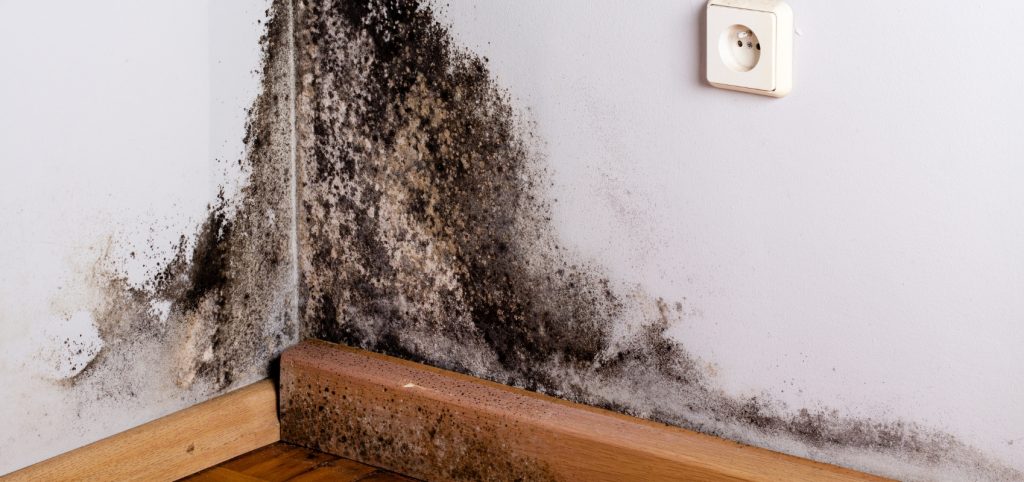
Water and mold are linked. Mold from water damage can develop when materials are left damp for too long. Mold spores are already in your home; they float through the air and settle into household dust, staying quiet until moisture finds them and the clock starts.
Water-damaged areas and items need to be dried within 24 to 48 hours to prevent mold growth, according to the EPA. However, this is just a guideline, not a guarantee. Some materials dry quickly; others require plenty of equipment and professional help. Wall cavities, carpet pad, and insulation are the usual trouble spots.
This guide should paint a clear picture of how fast mold grows, how to check for it, how to prevent it, what changes in winter, and what restoration professionals do to stop damage before mold takes hold. It’s written from the Duluth perspective. Cold winters, older homes, and damp basements all shape how mold shows up in the Twin Ports and along the North Shore.
| Key takeaways Mold can start within 24 to 48 hours of water exposure. Visible growth usually takes several days.Dry the materials, not just the surface. A wall can feel dry and still hold water inside.Check hidden areas. Mold often grows behind baseboards, under flooring, and inside walls.Cold weather slows mold. It does not stop it.Professionals prove a structure is dry with moisture measurements, visual inspections, and daily readings. |
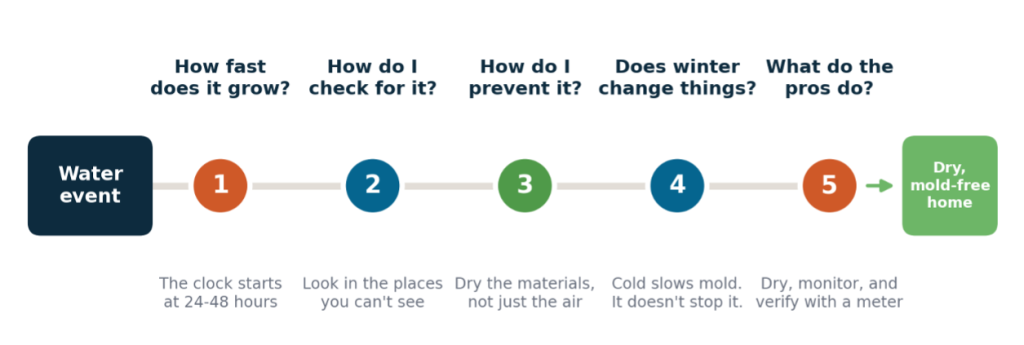
Figure 1. The five questions homeowners ask after water damage, in the order they usually come up.
How Water Damage Turns into Mold
Mold needs four things to grow indoors: spores, food, the right temperature, and moisture. The first three are difficult to eliminate from a home completely. Spores are everywhere. Food is built in and includes the paper facing on drywall, wood framing, carpet pad, ceiling tile, damp insulation, and dust. And normal indoor temperatures suit most household molds.
That leaves moisture. It is the only one of the four that you control.
The EPA says it is impossible to get rid of all mold and mold spores indoors. It also says spores will not grow without moisture, which is why the agency calls moisture control the key to mold control.
Not every material is equally at risk. Porous, absorbent materials hold water and feed mold. Hard, sealed materials are much safer.
| Material | Why it is a risk | What usually happens |
| Paper-faced drywall | The paper facing is a food source. Water wicks upward from the floor. | Can sometimes be dried after a fast response to clean water. Often removed if it stays wet. |
| Carpet pad | Sponge-like foam that holds water. | Usually replaced. It is hard to dry in place. |
| Insulation | Holds water against framing and cannot drain. | Often removed when wet. |
| Ceiling tile | Porous and absorbent. | Often thrown away once wet. |
| Wood framing and subfloor | Absorbs slowly and releases slowly. | Usually dried in place and checked with a meter. |
| Hardwood flooring | Water enters at the edges and underside. | Dried with special mats when possible. May cup or warp. |
| Concrete, tile, metal, glass | Do not feed mold on their own. | Cleaned and dried. Dust on them can still support growth. |
1. How Fast Does Mold Grow After Water Damage?
Mold can start growing 24 to 48 hours after the spores have been exposed to water. You won’t see any sign of this growth for a few days in warmer, more humid conditions. In cooler or drier conditions, it may take a few weeks.
| Timeframe * | What is happening | What to do |
| 0-24 hours | Materials soak up water. No visible mold. | Stop the source. Remove standing water. Start drying. |
| 24-48 hours | Spores can begin to germinate. The EPA drying window closes. | Finish drying wet materials. Remove what cannot dry. |
| After 48 hours | Mold may be developing, even if it isn’t visible. | Check hidden areas and call a pro if anything is still damp. |
| Days 3-7 | Visible spots are common on drywall, pad, and wood. | Get a professional assessment. |
| Weeks 1-3 | Colonies spread. Staining, odor, and material damage follow. | Plan remediation and repairs. |
* These ranges are industry estimates. Warm, humid rooms speed things up. Sewage and floodwater carry more organic material than clean water.
The EPA also reminds us that mold will not always grow after 48 hours, and it may have started even if you dried everything inside that window. How fast mold grows after water damage depends on temperature, humidity, the material, and the type of water.
2. How to Check for Mold After Water Damage
Checking for mold after water damage means following the water’s path, not just looking where you can see it. Water moves. It wicks up drywall, runs under baseboards, and soaks through flooring layers. Mold often starts in those hidden places.
| Where to check | What to look for |
| Walls and baseboards | Stains, bubbling or peeling paint, soft drywall, wallpaper lifting at the seams. |
| Floors and carpet | Cupping, buckling, a damp feel underfoot, or a musty smell that gets stronger when you pull a corner of carpet back. |
| Ceilings | Brown rings, sagging, or drips after rain or snowmelt. |
| Cabinets and vanities | Warped panels, dark spots inside, or a damp back panel. |
| Attic, basement, crawlspace | Dark patches on wood, damp insulation, moisture at the rim joist. |
| The air itself | A musty or earthy odor that is stronger in one room. |
Protect yourself before you check for mold after water damage. The EPA and CDC both recommend an N95 respirator, gloves, and goggles when you enter a moldy or damp area. Keep children and pets out of the area, and if you think mold may be in your HVAC system, do not run it until it’s been dealt with.
Mold testing is usually unnecessary when visible mold is present, according to the EPA. The CDC and the Minnesota Department of Health do not recommend routine mold testing either. A moisture inspection tells you far more than an air sample.
3. How to Prevent Mold After Water Damage
Prevention comes down to one goal: get the materials dry and keep them dry. The CDC calls drying your home and removing water-damaged items the most important step in preventing mold after water damage.
- Stop the water source.
- Remove standing water quickly.
- Remove materials that cannot be dried, such as soaked carpet pad, insulation, and ceiling tile.
- Use dehumidifiers and appropriate drying equipment to remove moisture. Fans should only be used to help with airflow from clean water events.
- Watch your indoor humidity. Minnesota guidance is 20 to 40 percent in winter and below 60 percent the rest of the year.
- Confirm the materials are dry with a moisture meter. Touch is not enough.
Do not paint or caulk over damp or moldy surfaces. Both the EPA and the CDC warn that it will not stop mold from growing. Paint over a moldy surface will likely peel.
4. Does Mold Grow in Winter?
Mold does grow in winter. Though the cold can slow it down, it can’t eliminate the mold spores. And those spores can still activate when moisture and warmth return.
Indoors, the problem is not the cold outside but the moisture inside. Homes in Duluth are sealed tight for months and during that time showers, cooking, laundry, and humidifiers add water to the air. When that moist air meets cold windows, exterior walls, and attic roof decks, water condenses and the materials stay damp, which is a perfect setup for mold growth.
| Winter moisture source | Where mold tends to show up |
| Window condensation | Sills, frames, and nearby curtains. |
| Ice dam leaks | Ceilings and exterior walls near the eaves, and the attic roof deck. |
| Over-humidified air | Cold exterior walls and closets on north-facing walls. |
| Frozen pipe bursts | Wall cavities, floors, and finished basements. |
| Snowmelt seepage | Basement walls, rim joists, and stored boxes. |
Winter also hides problems. A cabin or second home that sits empty on the North Shore can stay wet for weeks before anyone notices a burst pipe.
5. How Water Damage Pros in Duluth Prevent Secondary Damage
Secondary damage is a result of materials not being dried quickly enough after a water event. It can show itself as warped floors, swollen cabinets, mold, odor, and rust. This is why a small leak can turn into a big project.
Water damage professionals in Duluth prevent secondary damage through careful planning and quick response times. They track the moisture’s path, remove any standing water and materials that can’t be saved, set up a drying system sized to the space and then measure moisture levels. Readings are logged each day. Equipment is moved or changed if the numbers stall. The job ends when materials reach a documented dry goal and anything that can’t be saved is identified.
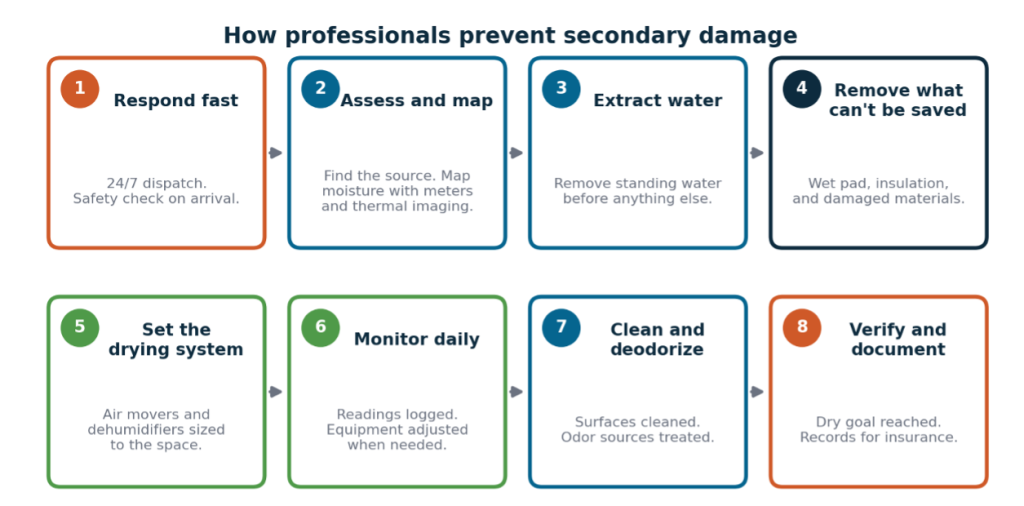
Figure 3. The eight steps professionals follow to prevent secondary damage.
| Secondary damage | How professionals prevent it |
| Warping and cupping | Control the drying rate. Use floor drying mats. Monitor moisture daily. |
| Swollen cabinets and laminate | Extract water fast. Move air. Remove damaged parts when needed. |
| Mold growth | Move quickly. Remove unsalvageable porous materials. Dehumidify. Contain the area if growth already exists. |
| Odors | Remove the source materials. Clean. Deodorize. |
| Corrosion and electrical damage | Dry the air and the structure quickly. |
Dryco handles drying, mitigation, and mold remediation. We do not do reconstruction. If drywall, flooring, or cabinets must be replaced, we document the scope so you can hire a licensed contractor.
Why Duluth Homes Face Extra Risk
There are several local factors that raise the odds of hidden mold:
- Older homes: Many Duluth homes have decades of remodeling, and each layer can trap moisture.
- Stack effect: Warm air rises through the house and pulls air up from crawlspaces and basements. That air may carry moisture with it.
- A long heating season: Homes stay closed-up for months, which traps indoor humidity.
- Ice dams and freeze-thaw cycles: Winter roof leaks and pipe bursts are common. Water can sit unnoticed behind finished surfaces.
- Basements: Snowmelt and spring rain push water toward foundations.
DIY or Professional? A Quick Guide
Some situations are reasonable to handle yourself with the help of a DIY guide to water damage restoration. Others require professional remediation. The EPA draws the line at about 10 square feet, roughly a 3-foot-by-3-foot patch.
| Situation | Handle it yourself? | Why |
| Small clean-water spill, dried within 24 hours | Often yes | Surface wetness only. Dry thoroughly and recheck. |
| Visible mold under 10 square feet on a hard surface | Often yes, with protection | EPA says most people can handle small areas. Use an N95, gloves, and goggles. |
| Mold over 10 square feet | Call a professional | EPA recommends professional-level guidance for larger areas. |
| Sewage or floodwater involved | Call a professional | Contaminated water needs experienced handling. |
| Water inside walls, under flooring, or above ceilings | Call a professional | You need moisture mapping to find it all. |
| Musty odor with no visible source | Call a professional | The moisture is hidden. |
| Someone in the home has asthma or a weakened immune system | Avoid DIY mold cleanup and seek medical advice if necessary | Mold exposure can affect these conditions. |
Mold, Insurance, and Documentation
Insurance policies differ. Many cover sudden and accidental water damage. Many also limit or exclude mold, especially when it comes from long-term moisture or delayed repair. It’s important that you read your policy and call your agent early.
A few choices that can protect your claim:
- Photograph first. Take photos and video before you move or discard anything.
- Keep records. Save receipts, drying logs, and moisture readings.
- Do not throw away damaged items until your adjuster has seen them.
- Act promptly. Most policies expect you to take reasonable steps to prevent further damage.
Dryco documents moisture readings and equipment use throughout a job. For more guidance, you can check out our resources on property claims and your homeowner’s policy, or visit our agent and adjuster page.
Conclusion
Mold after water damage is not a mystery. It follows a pattern. Water arrives, the materials stay wet, spores begin to germinate and within a day or two, mold growth may begin. Within a week, you may see it.
Fortunately, you can break that pattern if you act fast enough.
Dry the materials, not just the air. Check the places you cannot see. Keep indoor humidity in the right range. And call a professional when the water is contaminated, the area is large, or you cannot tell where it went.
Dryco Restoration Services has served Duluth and the surrounding region since 2009. Our team is available 24/7 for water damage and mold. We work directly with insurance carriers and document every step.
Contact Dryco 24/7 | Mold Remediation Services | Water Damage Restoration Services | Our Service Area
Frequently Asked Questions
Q: Can mold grow after only a few hours of water exposure?
Spores begin absorbing moisture quickly. But the EPA advises that mold shouldn’t grow in most cases if wet materials are dried within 24 to 48 hours. Visible mold takes longer, usually several days.
Q: If I dried everything within 48 hours, am I safe?
The risk is much lower. But the EPA notes that mold may still have started even if materials were dried within 48 hours. Check hidden areas and recheck for the next few weeks.
Q: Can I just clean mold with bleach?
The EPA does not recommend biocides, including bleach, as a routine part of mold cleanup. You can clean most hard surfaces with detergent and water, but you may need to have porous materials removed. The CDC says that if you do use bleach, use no more than one cup per gallon of water, wear protection, and never mix it with other cleaners. The real fix is removing moisture. Porous materials may need to be thrown away.
Q: How do I know if mold is inside my walls?
Look for stains, bubbling paint, soft drywall, and a musty odor that you cannot trace. A moisture meter can help identify damp materials while a thermal camera can identify temperature patterns that will need to be investigated. Depending on the scale of the issue, a professional may need to investigate your wall cavities through small openings.
Q: Is a musty smell enough to confirm mold?
A musty smell suggests moisture and possible microbial growth. It is a signal to investigate, not proof. You can also have mold without a strong smell.
See our article on why you can have mold without a musty smell.
Q: How long does professional drying take?
It depends on the materials and how far the water traveled. Many clean-water jobs take several days. Larger or more complex losses take longer. Professionals decide by moisture readings, not by the calendar.
Q: Will my insurance pay for mold?
It varies by policy. Many policies cover mold that results from a covered, sudden water event and limit coverage for long-term or neglected moisture. Call your agent early and document everything.
Q: Does Dryco rebuild after water damage or mold?
No. Dryco handles water mitigation, drying, and mold remediation. We do not do reconstruction. We document the scope of work so a licensed contractor can handle replacement of drywall, flooring, or cabinets.
Resources
Dryco:
Water Damage Restoration: The Complete Homeowner Guide
External:
EPA: Mold Cleanup in Your Home
EPA: A Brief Guide to Mold, Moisture, and Your Home
Minnesota Department of Health: Mold in Homes
University of Minnesota Extension: Controlling Moisture Problems in Your HomeIICRC: Standards for Water Damage and Mold Remediation