Why Professional Biohazard Cleanup Matters (Health Risks, Compliance, and Disposal)
When a home or business is affected by an unattended death, a violent crime, or contamination from sewage or bodily fluids, the instinct to clean it up quickly and privately is understandable. But these situations often require more than basic cleaning. Professional biohazard cleanup involves health risks, legal obligations, and technical requirements that go well beyond what a homeowner can safely address alone.
The Health Risks Are Real and Often Invisible
Bloodborne pathogens including Hepatitis B, Hepatitis C, and HIV can still pose a risk after blood or other potentially infectious material has dried. How long a pathogen remains viable depends on the pathogen and environmental conditions, so visible drying does not mean a surface is safe to handle.
Decomposition can leave behind bacteria, biological fluids, and other contaminants that pose contact exposure and, depending on the conditions, respiratory hazards. Sewage contamination, classified by the IICRC as Category 3 water and commonly called black water, can contain bacteria, viruses, and other contaminants capable of causing illness.
| Hazard Type | Health Risk | How Long it Persists |
| Bloodborne pathogens | Hepatitis B, Hepatitis C, bloodborne infection | Days to weeks, depending on the pathogen and conditions |
| Decomposition byproducts | Respiratory irritation, bacterial exposure | Days to weeks or longer, depending on conditions |
| Sewage / black water | Bacterial and viral illness, gastrointestinal infection | Until contamination is removed and the area is properly cleaned and disinfected |
Regulatory Compliance Is Not Optional
Biohazard cleanup is governed by federal and state regulations that exist specifically because improper handling of infectious materials poses risk to more than just the people directly involved. OSHA’s Bloodborne Pathogens Standard establishes requirements for PPE, engineering controls, and exposure protocols.
In Minnesota, the Minnesota Pollution Control Agency regulates the handling and disposal of certain infectious wastes. Depending on the type of contaminated material, requirements can include proper segregation, labeling, transport, and disposal through approved methods.
Improperly disposing of regulated infectious waste, such as putting it in standard household trash, can result in regulatory violations and expose sanitation workers and the public to contamination.
What DIY Cleanup Can Miss
- Porous material penetration: Blood, bodily fluids, and contaminated water can penetrate porous materials such as drywall, unfinished wood, subflooring, and some flooring materials, making surface cleaning insufficient in some cases.
- Odor sources: Decomposition and bacterial contamination create odor compounds that persist until the source material is fully removed or professionally treated.
- Cross-contamination: Without proper containment, cleanup attempts often spread contamination to previously unaffected areas of the home.
- Complete disinfection: Effective disinfection requires an appropriate EPA-registered disinfectant and the correct application method and contact time. Using the wrong product or wiping it away too quickly may leave contamination behind.
What Professional Biohazard Cleanup Involves
- Scene assessment and safety evaluation, including identification of all affected materials and surfaces.
- Containment of the affected area to prevent cross-contamination during cleanup.
- Removal and proper disposal of contaminated materials that cannot be adequately cleaned and disinfected.
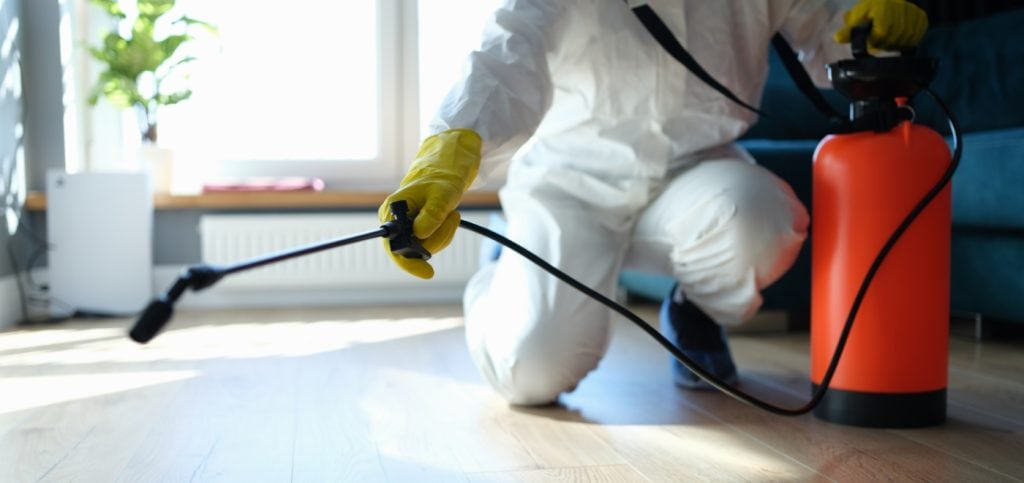
- Cleaning and disinfection of remaining surfaces using EPA-registered disinfectants appropriate for the type of contamination and following label directions.
- Odor treatment when needed, including addressing contaminated materials and affected building components that may continue to produce odors.
- Final inspection and documentation for insurance and property records.
When contamination involves a death, significant blood loss, sewage, or other potentially infectious materials, professional biohazard cleanup can help ensure the affected area is handled safely and thoroughly.
Dryco’s biohazard cleanup team follows applicable OSHA and Minnesota requirements when handling and removing biohazardous materials. Learn more about our biohazard cleanup services or contact us 24/7 for an immediate response.
Frequently Asked Questions
Q: Is it ever safe to clean up blood or bodily fluids myself?
For very minor incidents involving a small amount of blood from a household injury, basic precautions like gloves and an appropriate EPA-registered disinfectant may be sufficient. For anything involving a death, significant blood loss, or unknown contamination, professional cleanup is strongly recommended due to the health risks involved.
Q: Can I just throw contaminated items away in my regular trash?
No. Contaminated materials should not automatically be treated as ordinary household trash. Certain infectious wastes are regulated in Minnesota and may require specific handling and disposal methods.
Q: How do I know if a company is qualified to handle biohazard cleanup?
Look for relevant IICRC certification or training, confirmation that the company follows applicable OSHA requirements, and experience handling biohazard cleanup and insurance claims.
Resources
Dryco:
External:
OSHA: Bloodborne Pathogens Standard
Minnesota Pollution Control Agency: Infectious Waste Management GuideCDC/NIOSH: Bloodborne Pathogens